By John Johnson, Photos by Chaz Dykes
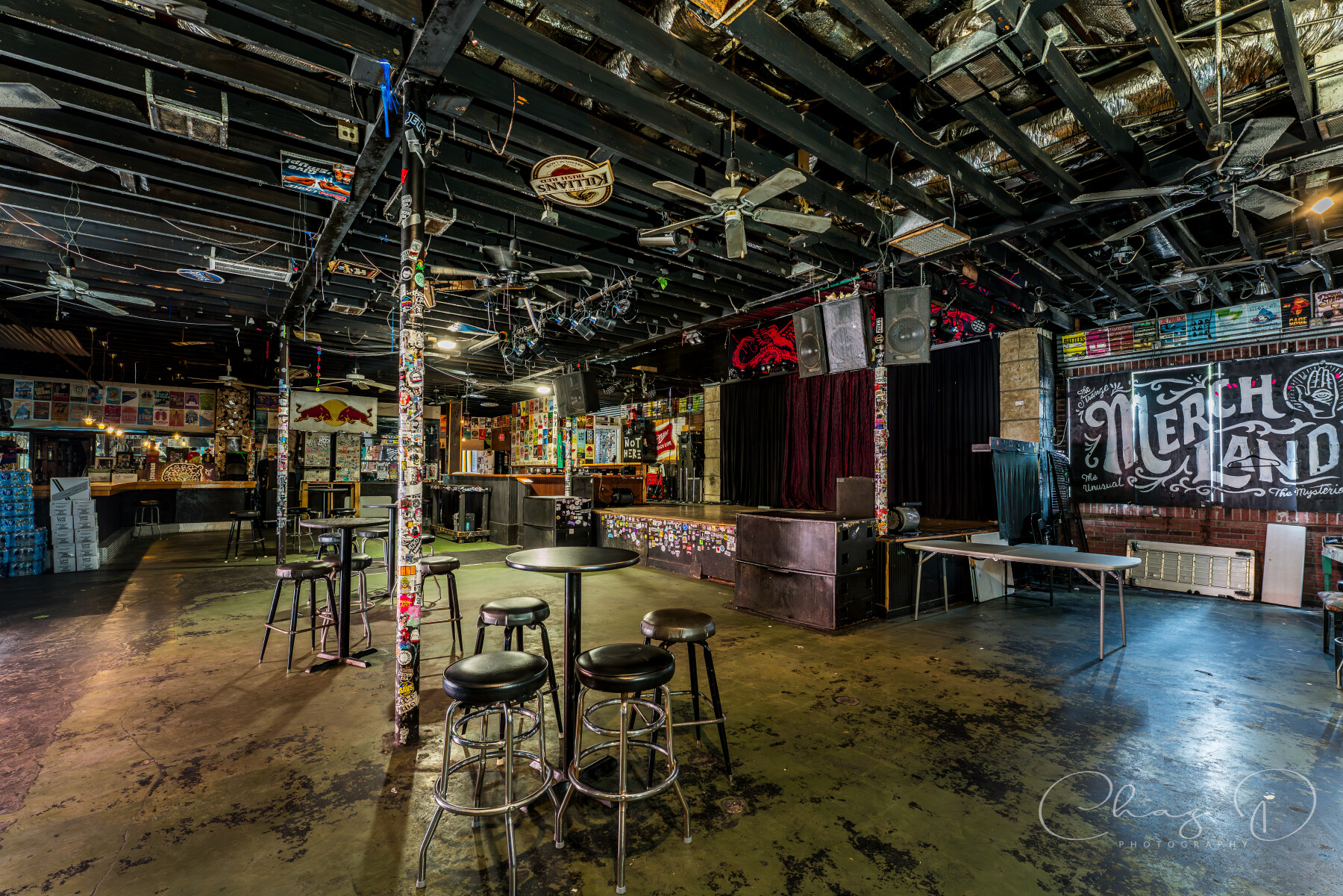
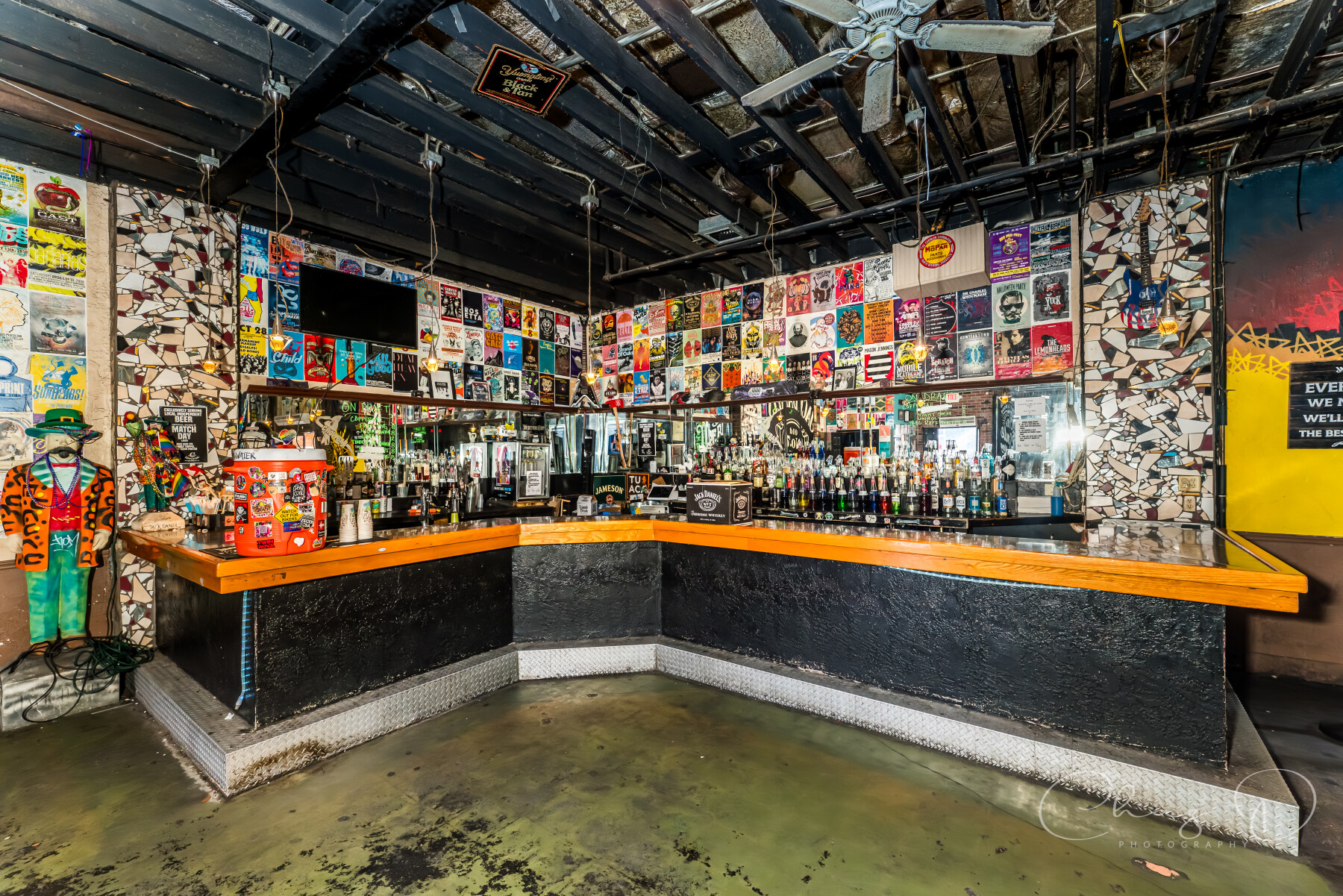
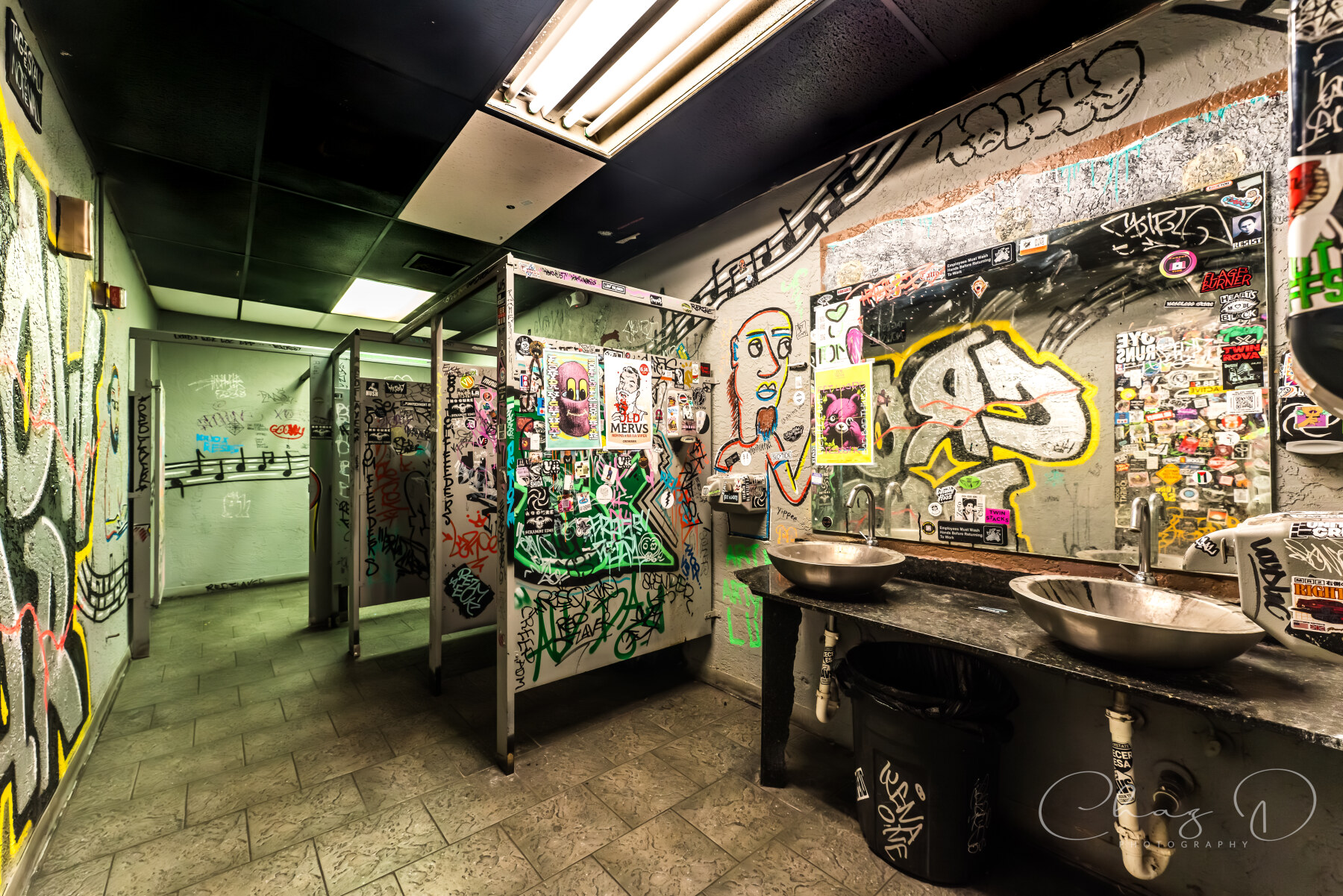
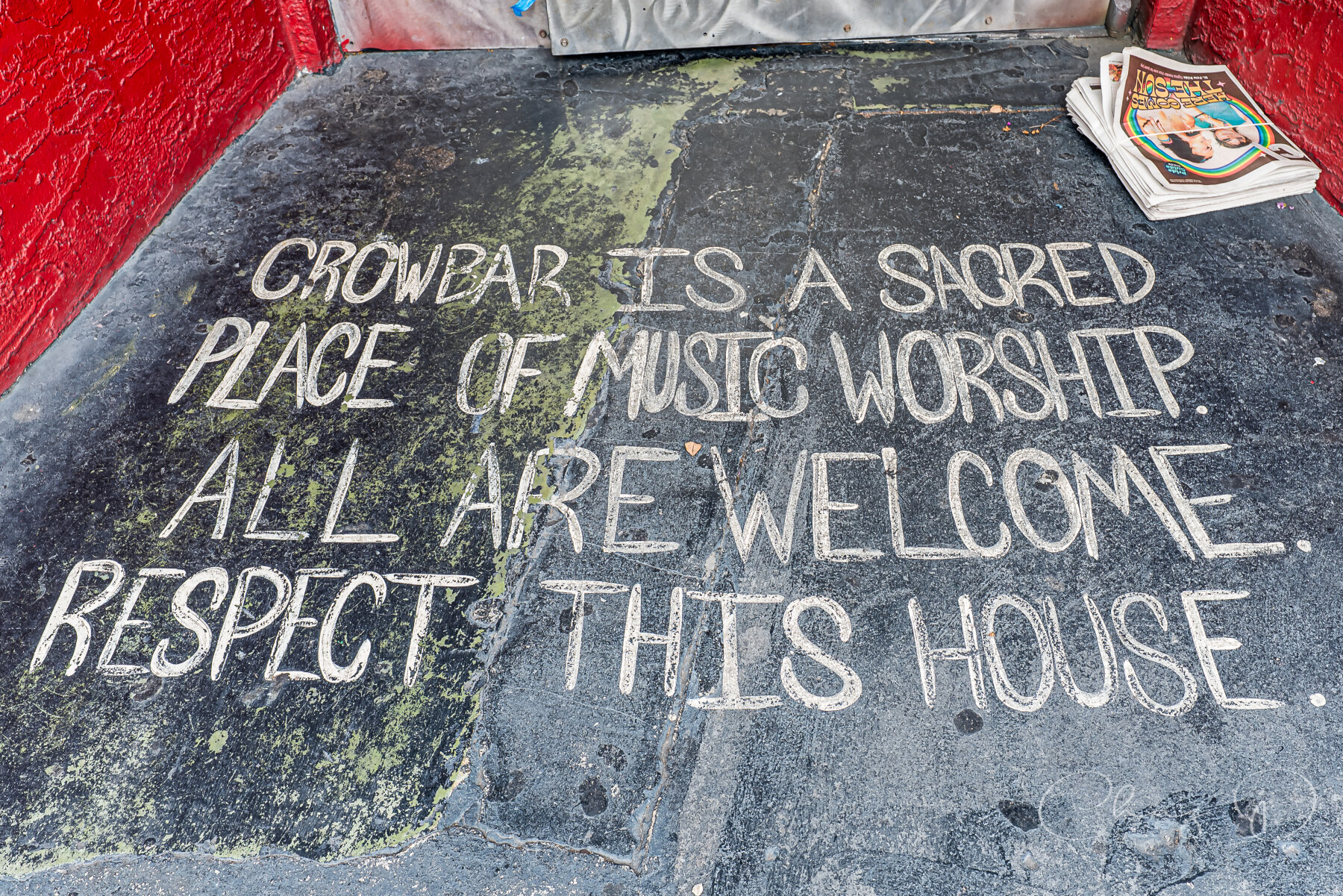
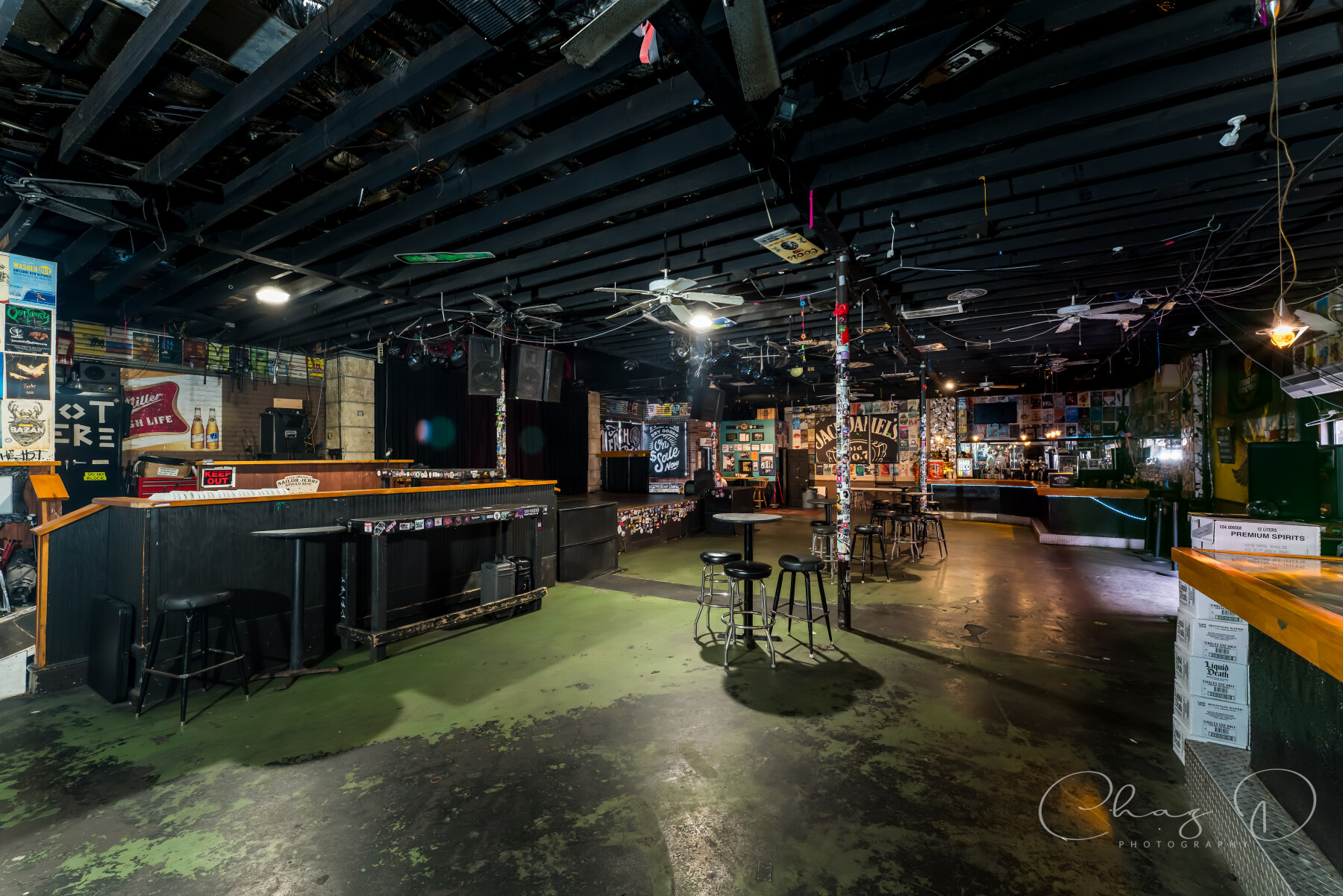
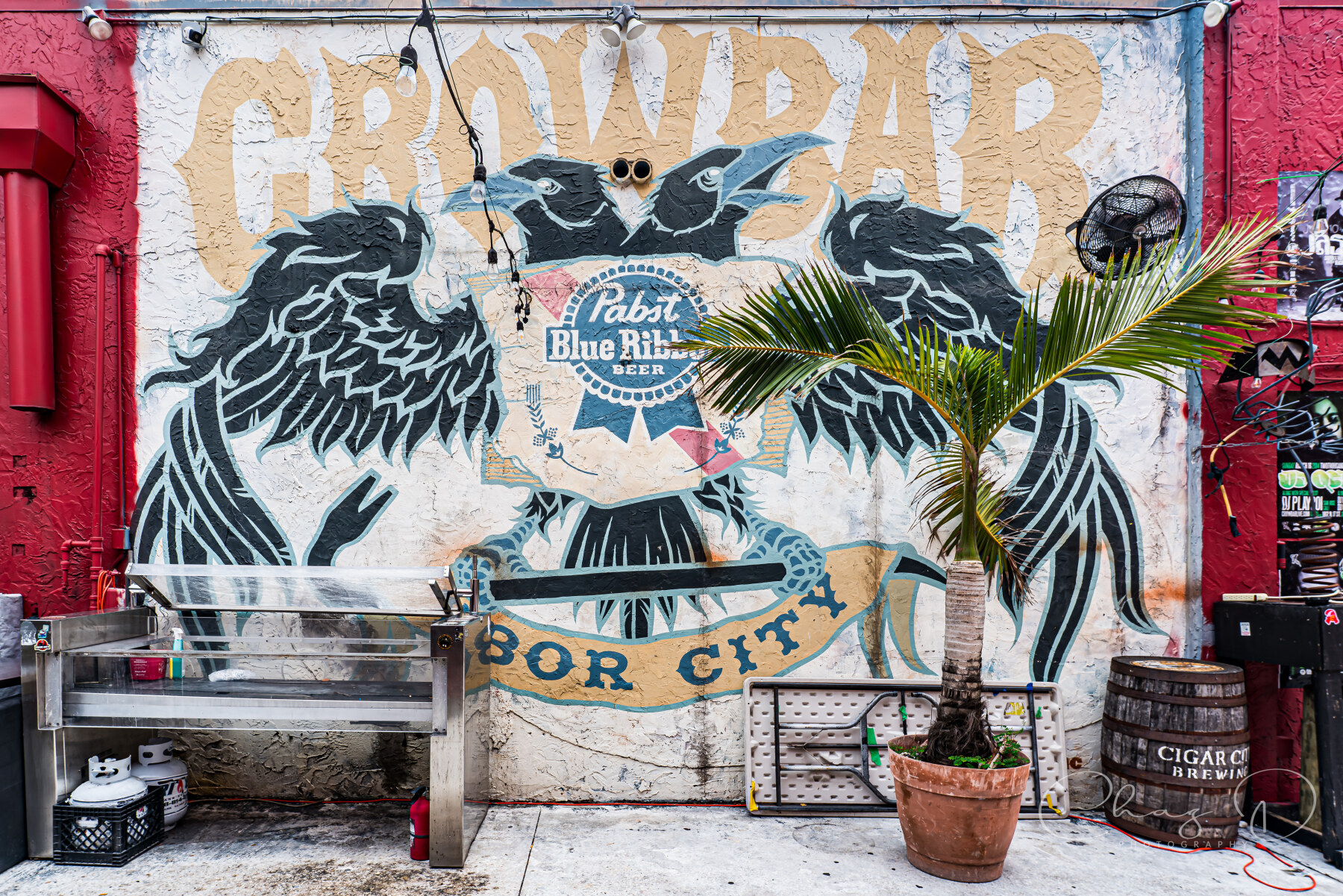
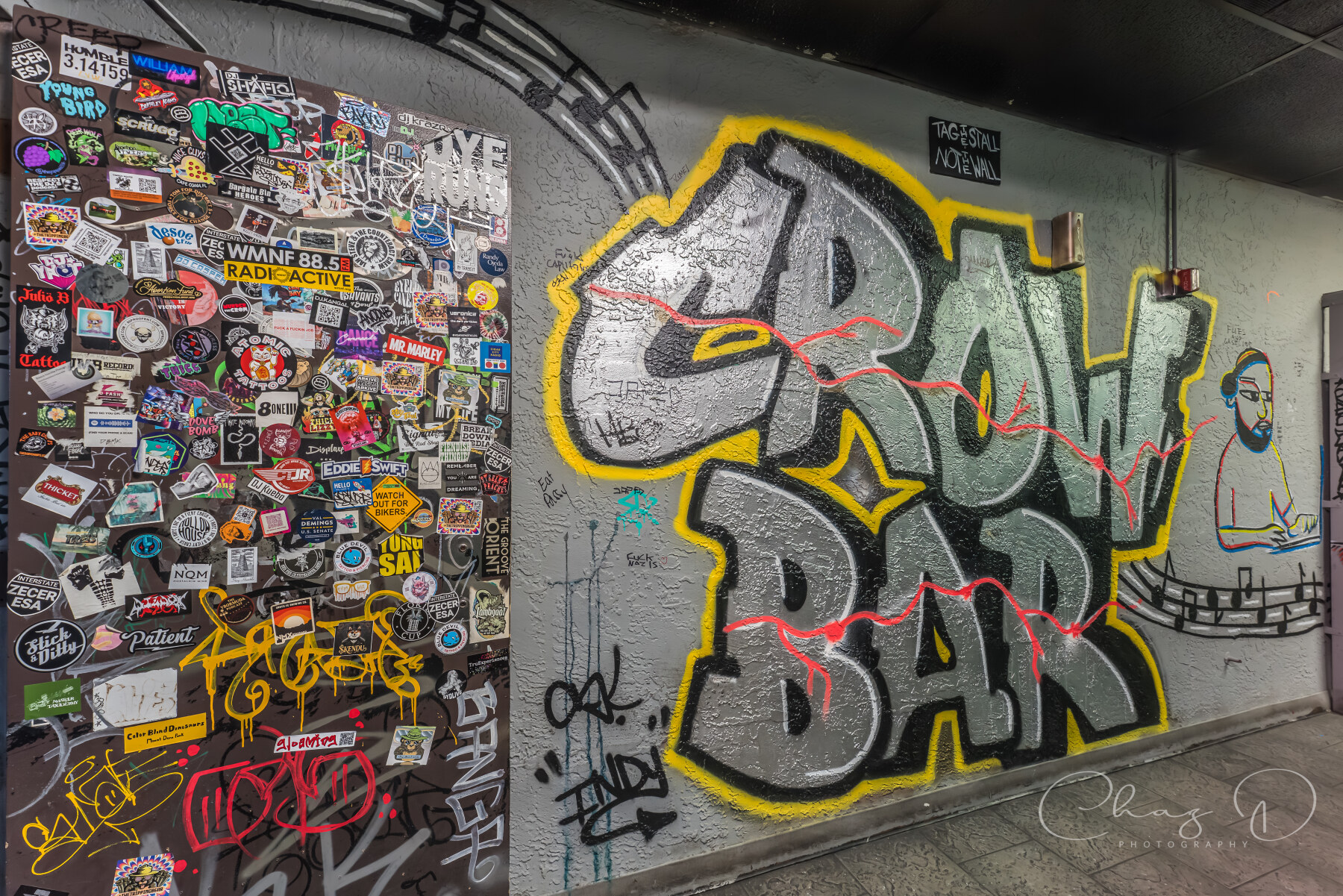
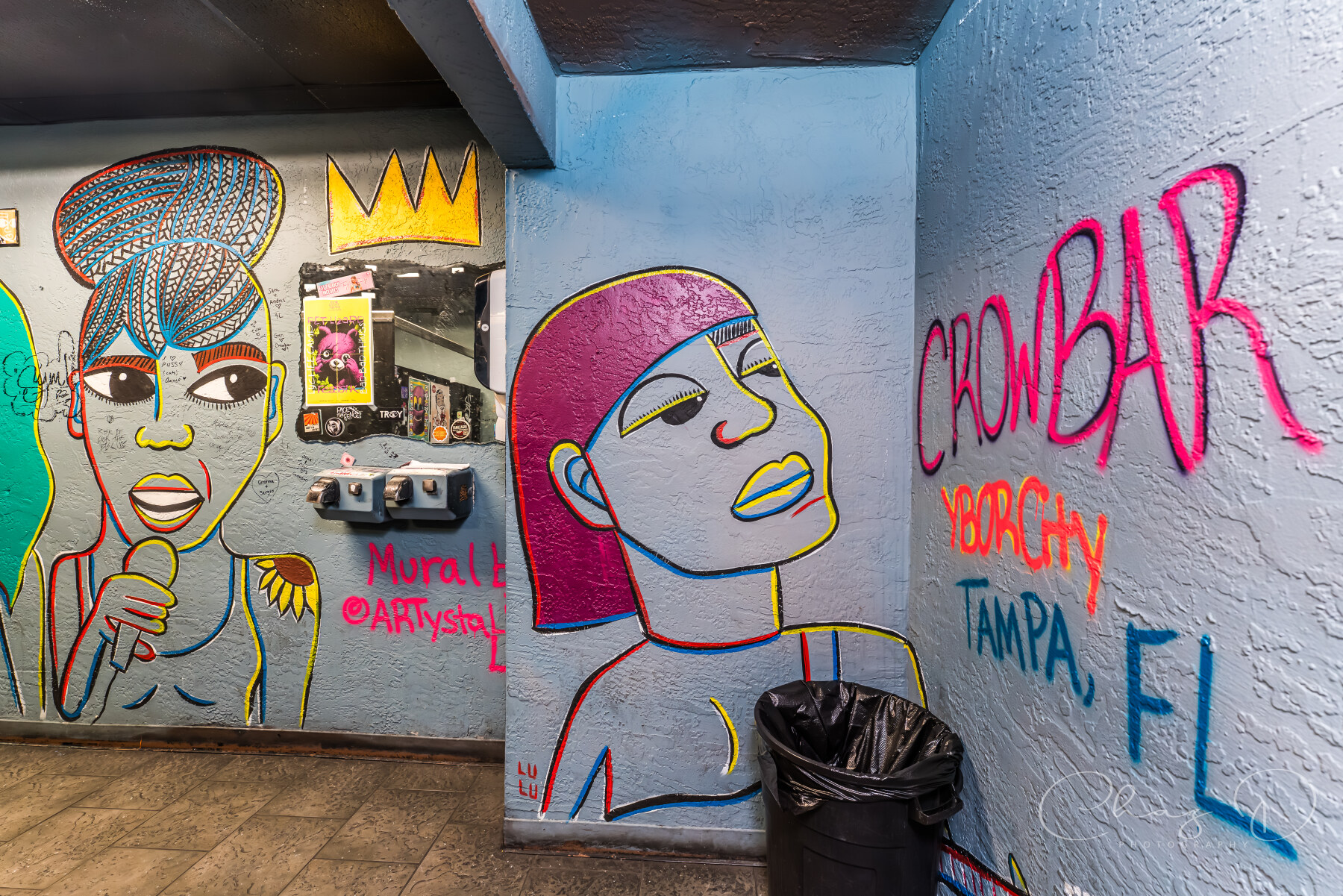
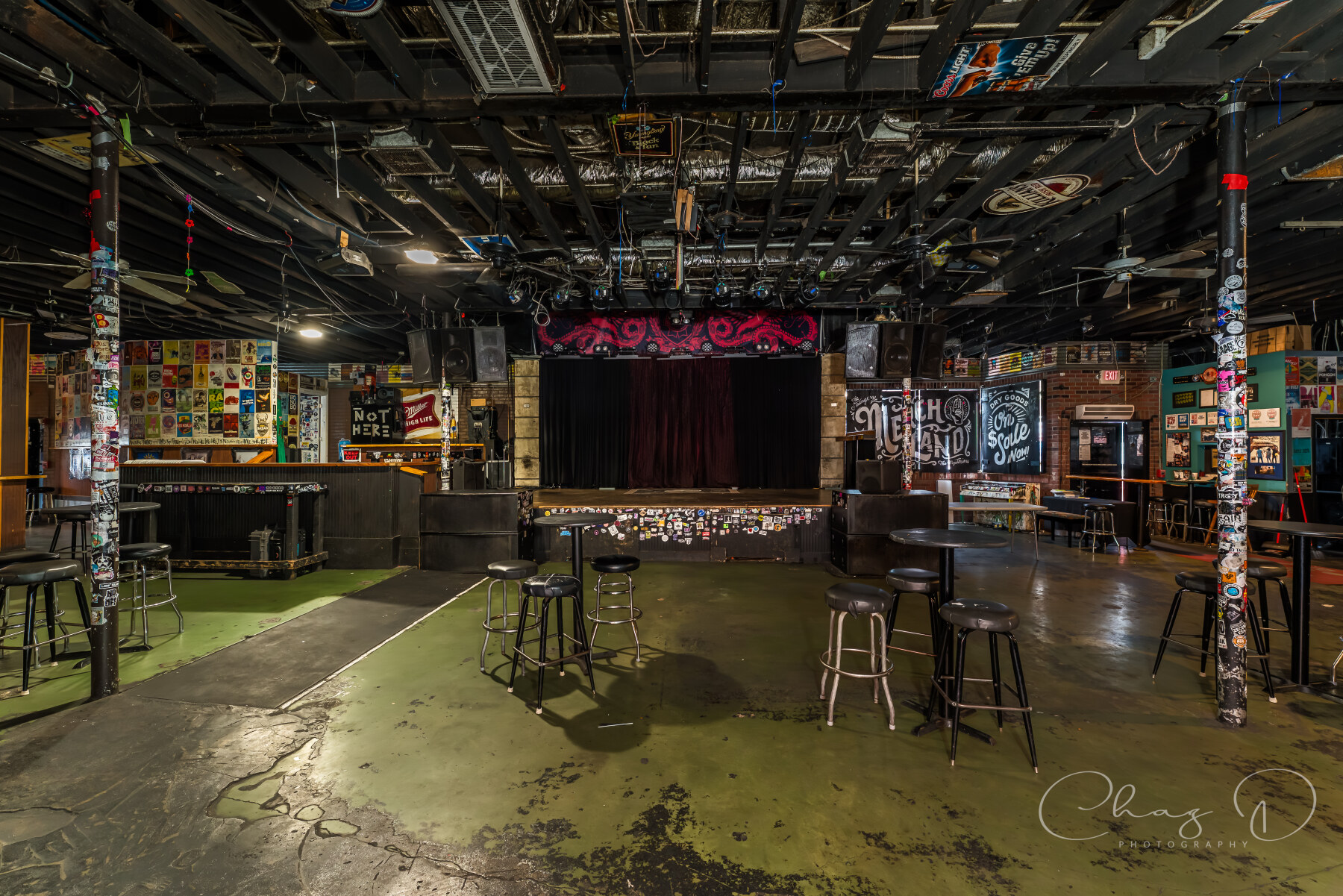
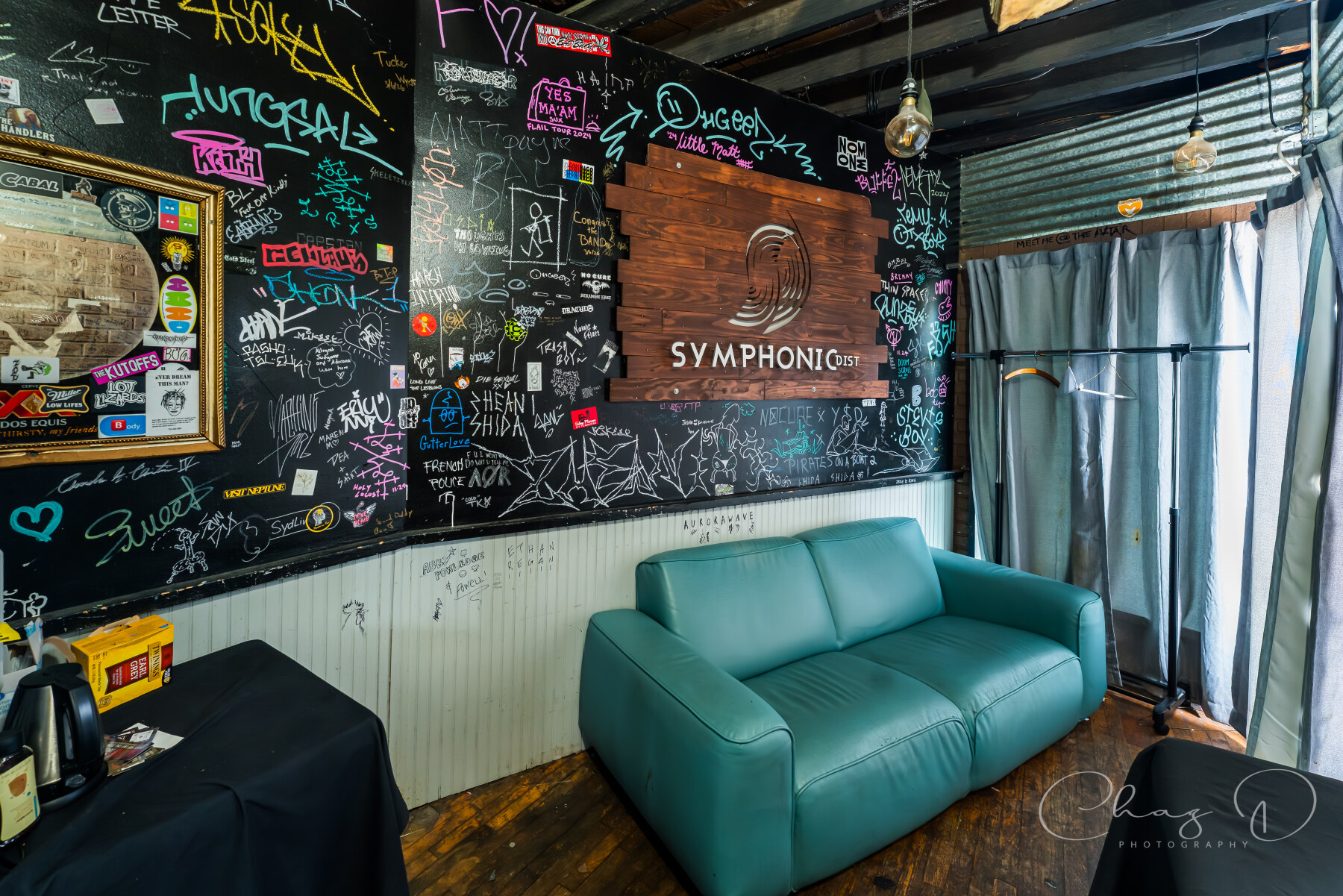
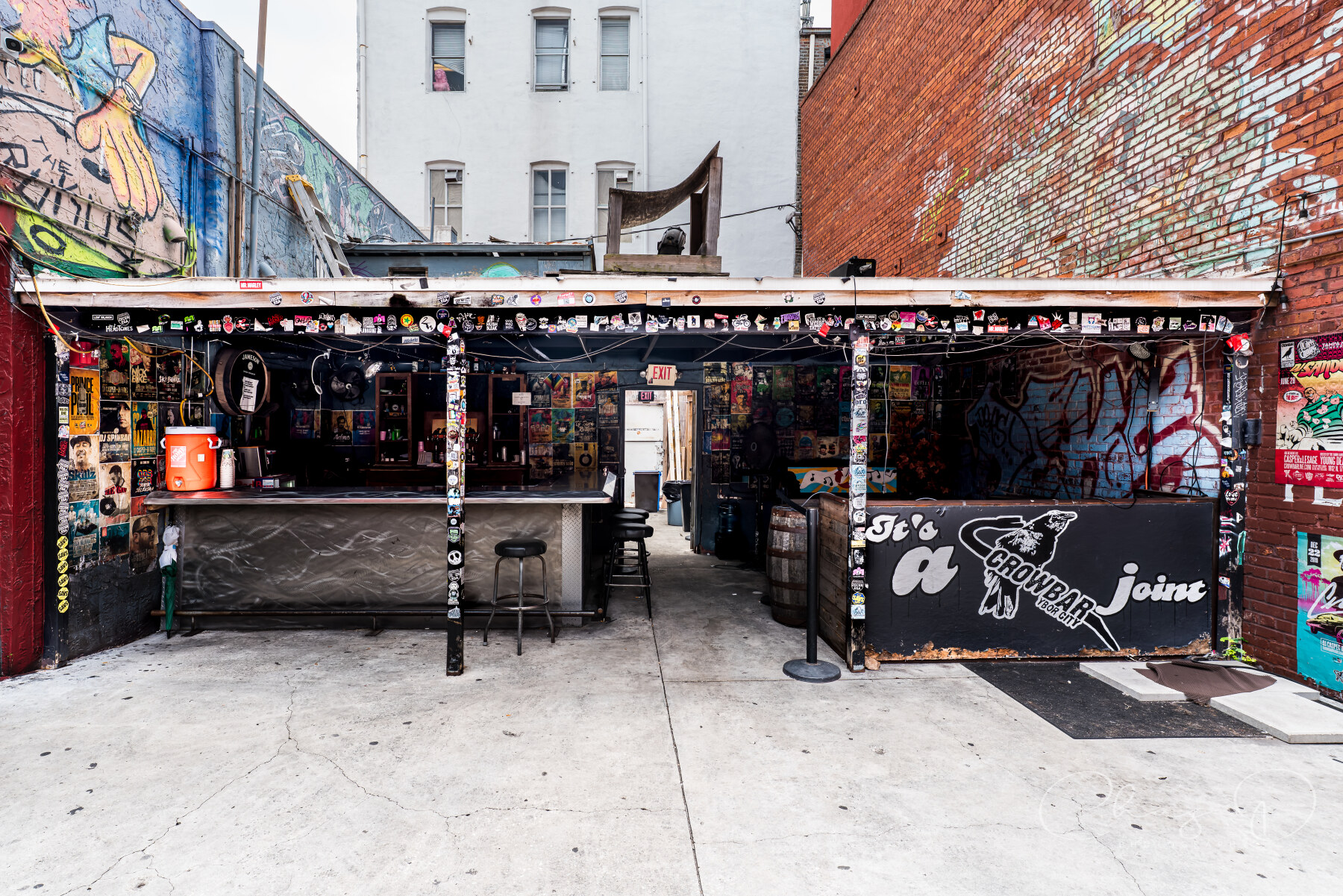
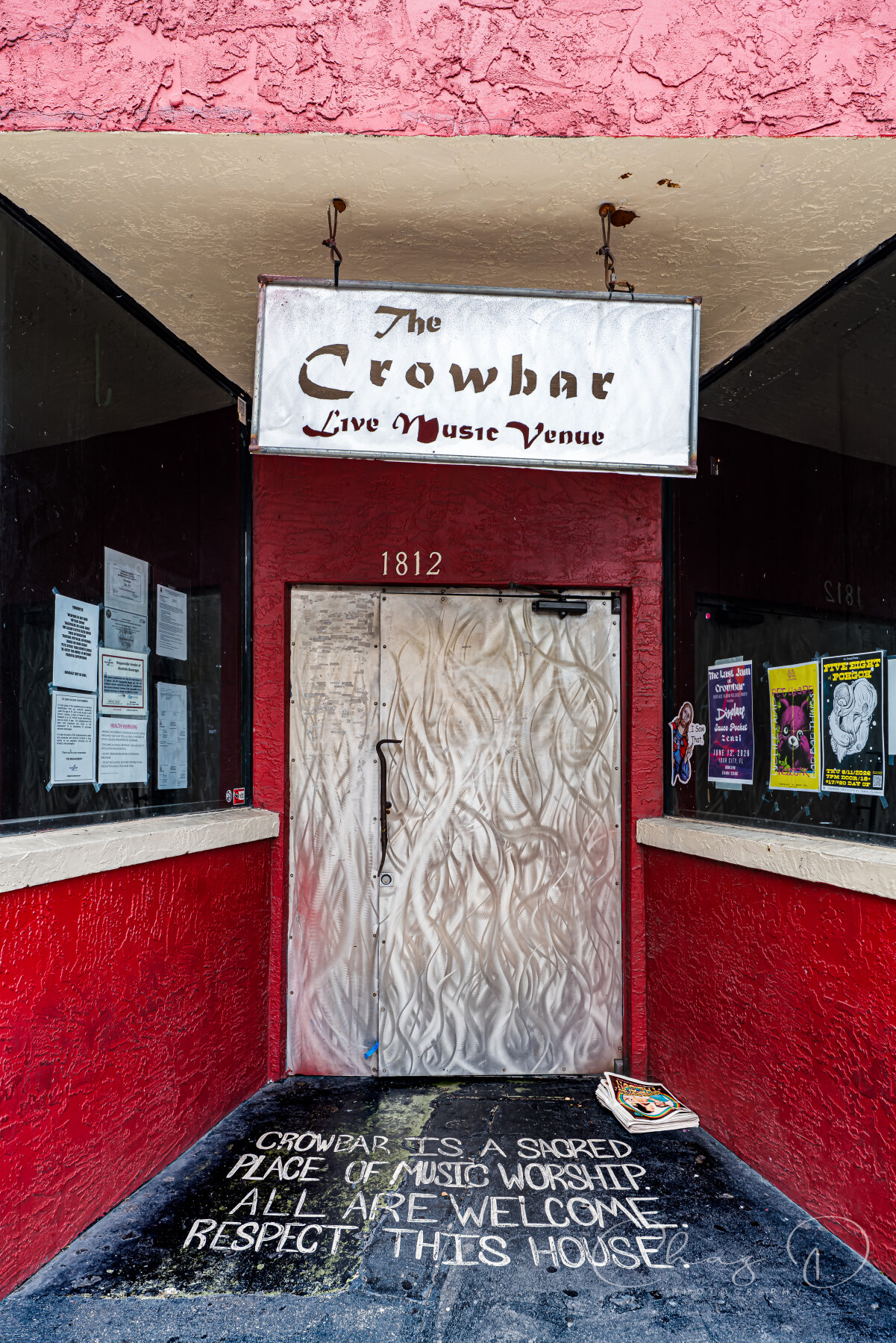
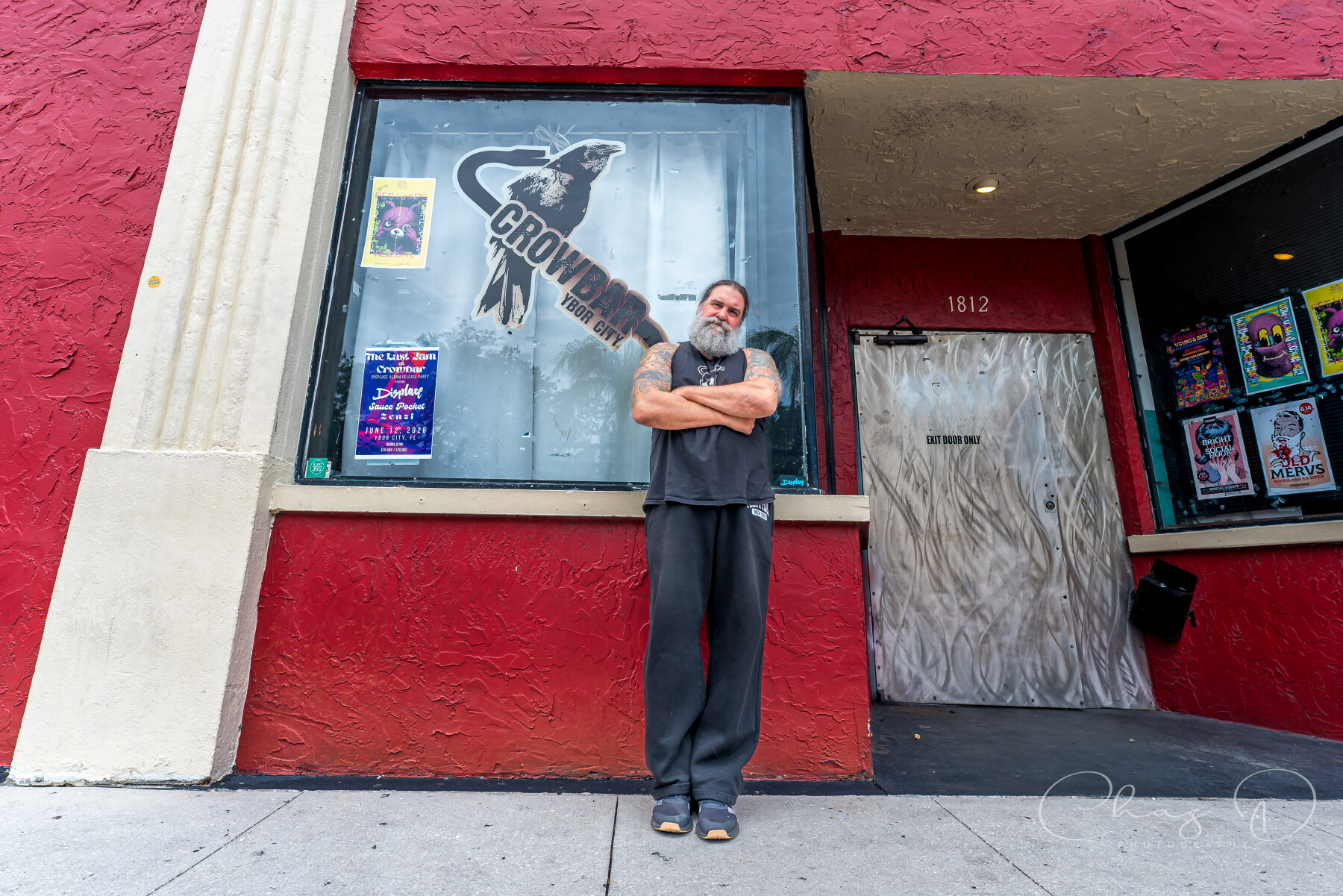
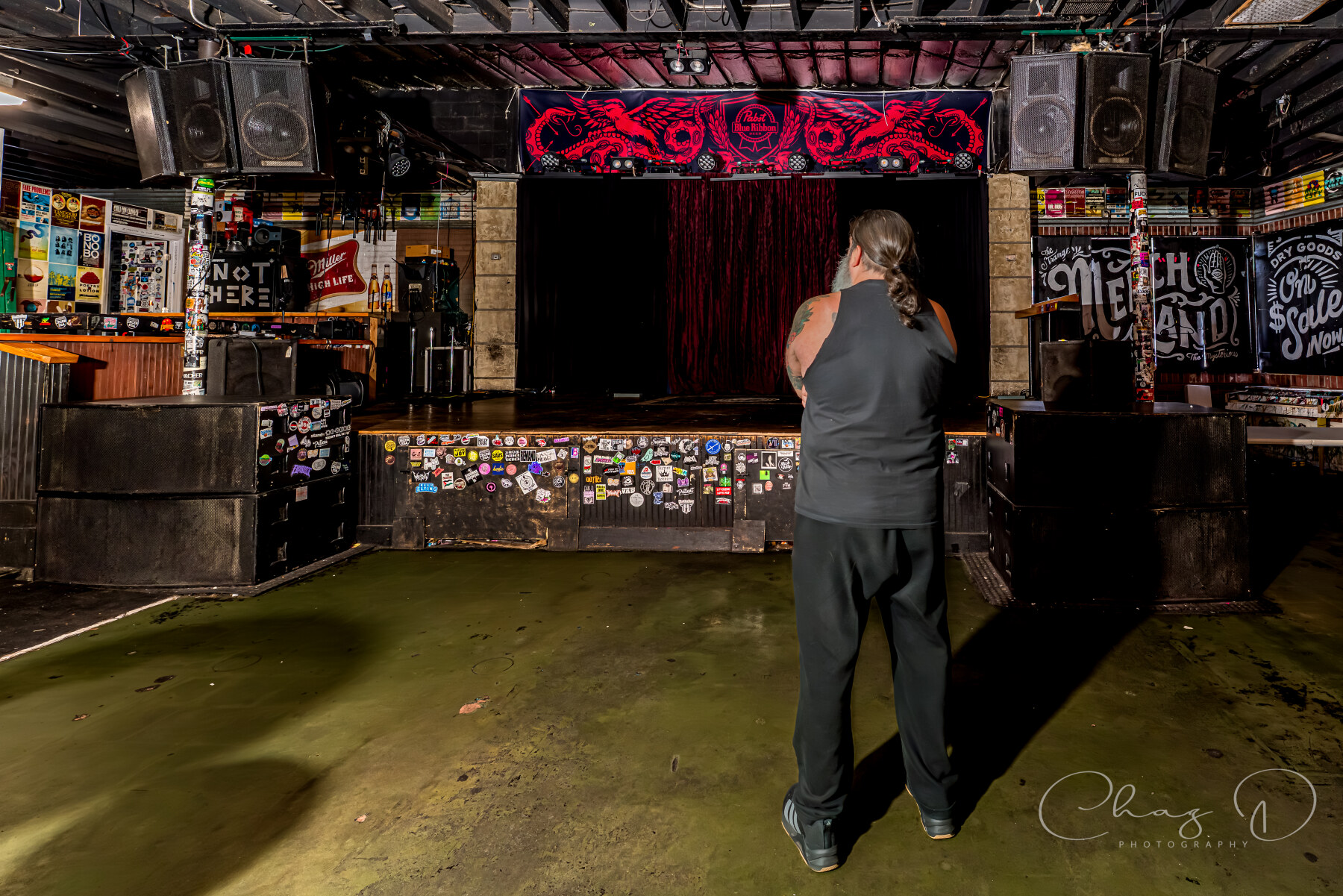
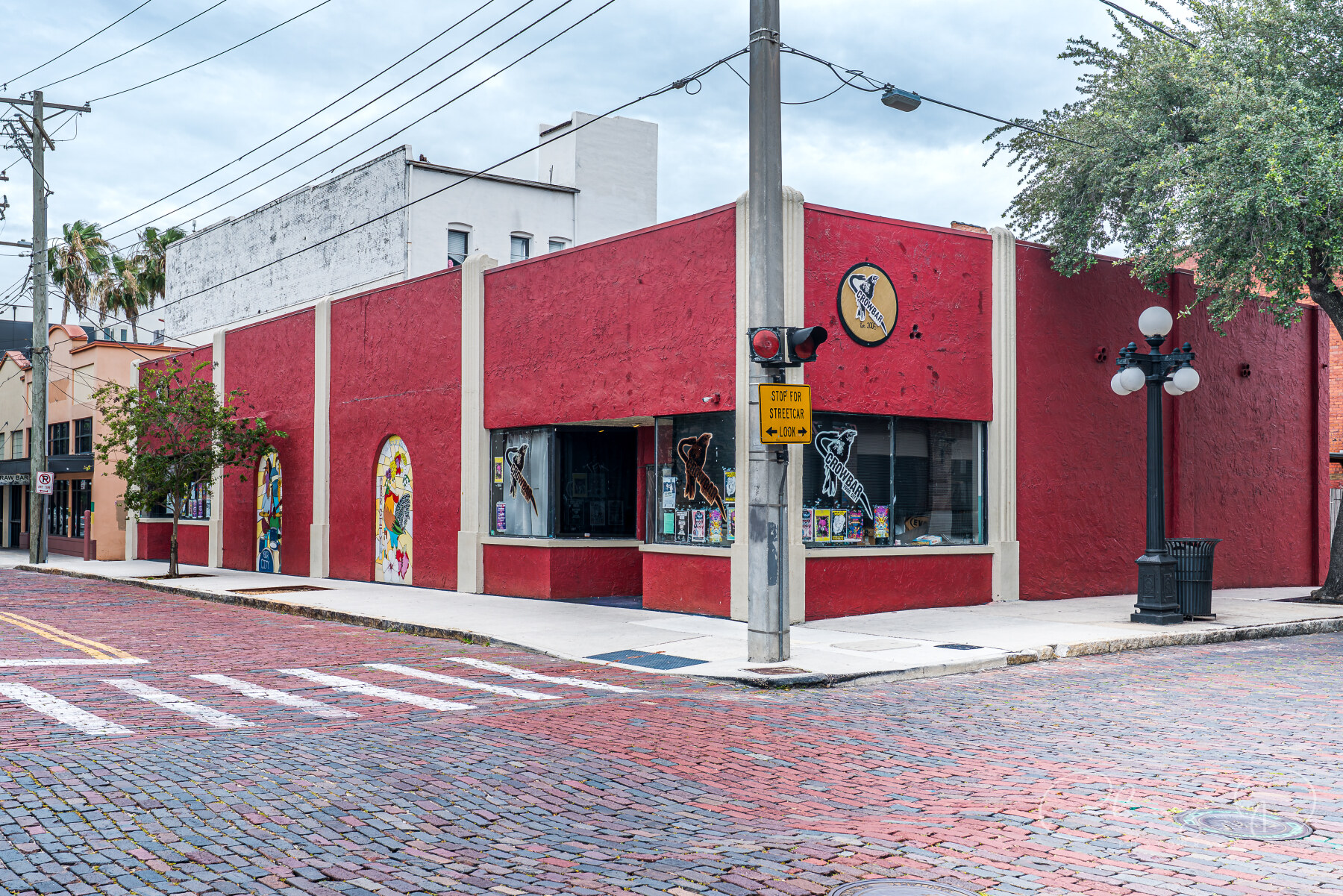
Crowbar. Nestled at the corner of 8th Avenue and 17th Street in the heart of Historic Ybor City. Heart being the operative word for this particular story, but I’ll touch on that momentarily. The structure is an unassuming, oddly dark salmony mauve colored chunk of concrete, with a side courtyard on the back westside, and a brushed metal door on the Southeast corner. The expansive courtyard, with its own bar, random riser for performers or impromptu BBQ’s, it’s stucco walls showcasing various local street art, graffiti and a few hundred stickers and show posters. The interior is slightly atypical of a grungy rock venue with a moderate stage backed with red velvet curtains, obligatory merch area and sound booth, a well stocked bar and few thousand more stickers and gig posters. Having been to the actual CBGB’s I can tell you that Crowbar’s restroom is nearly as tangibly un-tantalizing as the once iconic NYC dive, however with far less urine and punk forefather DNA. Truth be told, you wouldn’t want to take a blacklight to either place. Every wall in the venue, has “art” on it, lined with 11×17 posters and flyers, a veritable museum display of the last two decades plastered for all to enjoy, of the hundreds, if not near thousands of shows held within this hunk of concrete and steel. At the heart of it all, Tom DeGeorge.
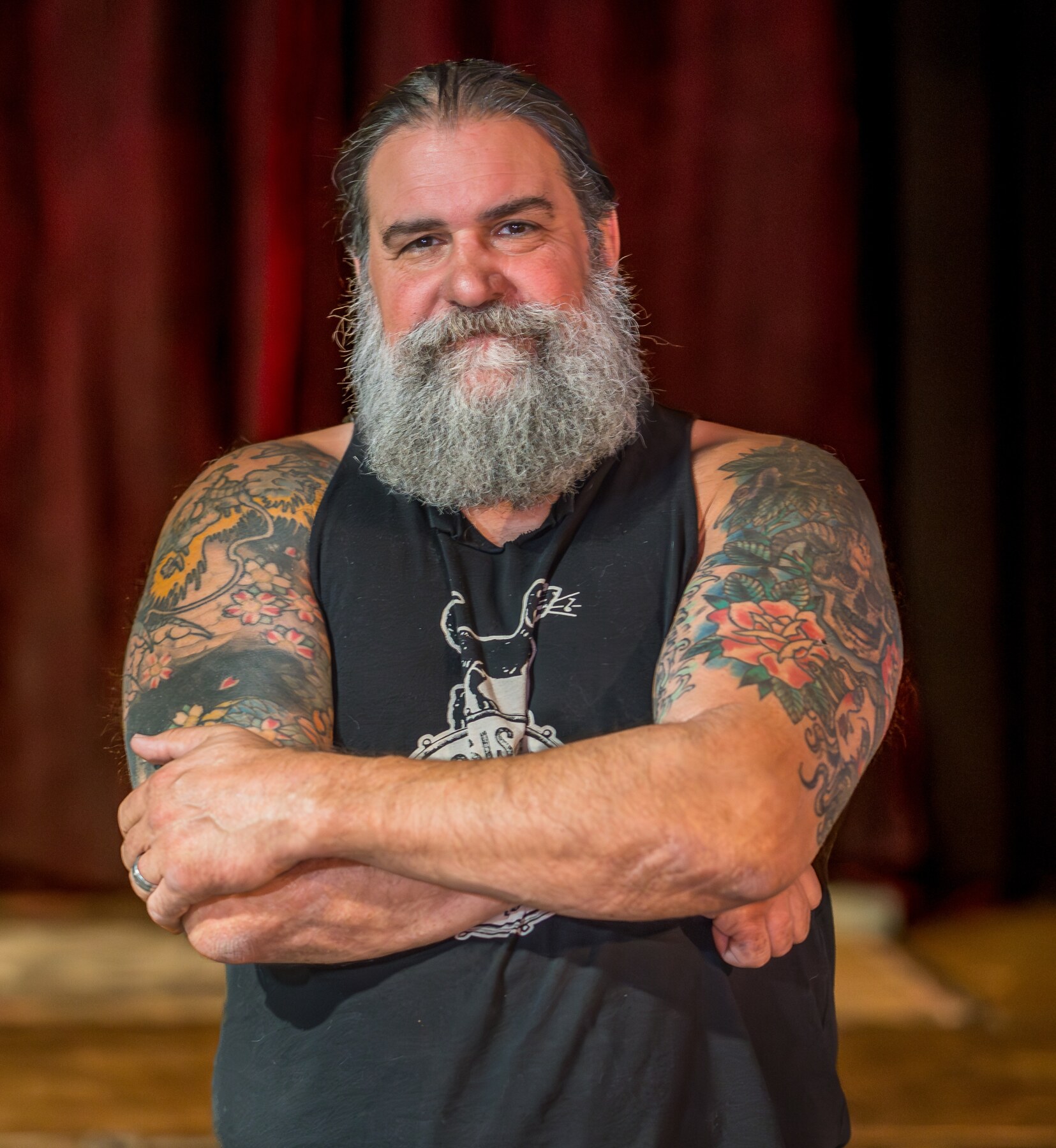
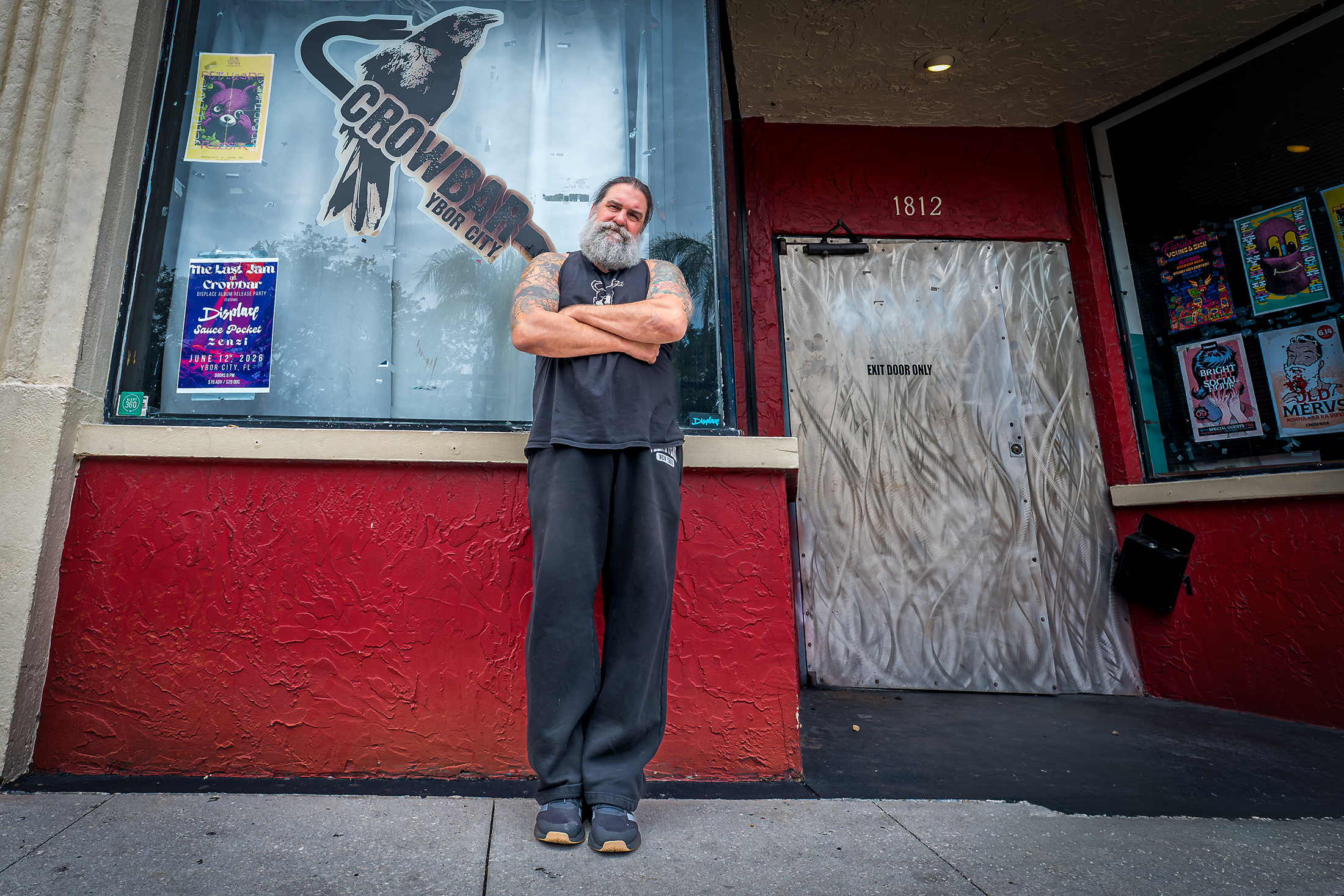
Tom, pauses for just a moment when I asked the question. After 20 years of pouring his life into Crowbar, the legendary Ybor City music club that closes its doors for the final time on Friday, July 31, it should be an easy answer. Surely there has to be one thing inside the building worth saving more than another. Instead, the 52-year-old club owner smiles.
“Everything in here is mine. I am gonna take it all,” he says with a laugh.
He isn’t talking about the sound system or the aforementioned tour posters emblazoned across the walls. Even though I’m positive most of that will be portioned out. He’s talking about something much harder to pack into a moving truck.
“Before all the tour posters went up, before the sound and lights came in, this was just an empty concrete box,” DeGeorge says. “We put personality into it. We put heart into it. Then the people came. That’s what makes a beautiful independent venue.” That’s always been Tom. The building was simply the address.
Long before Crowbar became one of Florida’s most respected independent music venues, DeGeorge was learning the business from the ground up. He started working in clubs as soon as he was old enough to legally serve a drink, cutting his teeth at Sherlock’s in Erie, Pennsylvania. The job wasn’t glamorous, but the energy was addictive. He quickly realized he wasn’t interested in simply running bars. He wanted to create places, and spaces, where music breathed, and mattered.
His journey took him to the historic Crowbar in State College in 1996, then to Atlanta’s iconic Masquerade in 1998, where he spent several years immersed in one of the Southeast’s most influential music scenes.
In 2001, Tampa came calling. He moved south to help run the original Masquerade in Ybor City, becoming part of another legendary chapter in the neighborhood’s music history before finally opening his own venue – Crowbar – in 2006. For the next two decades, that small brick building became home. Not just for DeGeorge. For thousands.
If you’ve spent any amount of time in Tampa’s music (or local political) scene, chances are you know Tom’s name. Maybe he handed you your first show pass. Maybe he gave your band its first real gig, even if it was only to a couple dozen people. Maybe he inadvertently introduced you to lifelong friends somewhere between the front door and the stage. Served you a hotdog on the patio at 2:30 in the morning on “his” patio, or told you to shut up and check out a particular bass players energy.
That’s always been Crowbar’s greatest accomplishment. It never felt corporate. It felt personal.
“Everything that’s happened here has come with me right here,” DeGeorge says, placing a hand over his barrel-chested heart. “Nobody can take that away from you.” Those words land differently when you realize the venue is closing, not because the passion disappeared, but because the landscape around independent venues has fundamentally changed.
DeGeorge has become one of the most outspoken advocates for independent music venues, not just in the Southeast, but in America. As an active voice with the National Independent Venue Association, he has spent years battling what he believes is an increasingly impossible system dominated by Live Nation and Ticketmaster. With his impressively ‘stached covered mischievous grin, massive salt and peppered beard, and dark brown eyes muted slightly, he doesn’t mince words. “You can’t replace these independent rooms with large corporate companies like Live Nation,” he says. “The experience is completely different.”
To DeGeorge, live music isn’t supposed to be a luxury reserved for those who can afford premium prices. “Music and the arts are supposed to be for everybody,” he says. “The moment we allow an abusive monopoly to control that and make it where only certain people can enjoy it, we have a big problem.” I whole-heartedly concur and realize from his intensity that it’s a fight he’s never been afraid to have. But even the toughest fighters eventually run into realities they can’t control. Inflation. Developers. Escalating operating costs. An ever-changing concert industry that has made life increasingly difficult for independently owned venues. After 20 years, those realities finally caught up with Crowbar.
Yet sitting inside the club during one of my last visits there, interviewing him from the sound board, DeGeorge never sounds defeated. Not once. Not ever. Instead, he talks about energy. About community. About starting over.
“I believe you can take that energy and lightning can strike twice…or three times,” he says. He knows what he’s built before. He helped shape the Masquerade in Atlanta. He helped define the Masquerade in Ybor. Then he built Crowbar from nothing more than concrete walls and an idea. Why couldn’t it happen again?
“The next person that comes in here can’t rely on what we did for the last 20 years,” he says. “They have to put their own passion into it.”
That’s how he views buildings. Temporary. The people are permanent. Anyone who has met Tom DeGeorge understands the contradiction. He’s built like a bouncer. Gruff. Stocky. The kind of guy who doesn’t hesitate to call out billion-dollar corporations when he thinks they’re hurting musicians and fans. But spend five minutes talking music culture with him, and that hard exterior disappears.
He’s a teddy bear disguised as the toughest guy in the room. He remembers names. He remembers bands. He remembers the people who helped build Crowbar right alongside him. For DeGeorge, success was never measured by sold-out shows alone. It was measured by belonging.
When the lights finally go dark after Crowbar’s farewell “Hootenanny” this Saturday and one last packed calendar week of events ending on Friday the 31st, one of Ybor City’s most beloved rooms will become just another empty building. It’s surely painful, but Tom DeGeorge can’t be bothered, or slowed down, by that thought. He’s already answered the question I hit him with. What do you take with you?
“I’m gonna take everything in here with me,” he says. “But most of all, it’s gonna always be right here (fist to his chest) because we all did this together.” The passion in his eyes when he speaks is infectious, and I for one (of thousands) look forward to following his beat, wherever he happens to start playing it. In the end, Crowbar was never just four walls, a stage and a bar. It, and its owner, were the heart of a neighborhood. And if history has taught us anything about Tom DeGeorge, it’s that hearts have a remarkable way of finding a new home.