by photojournalist Jeffrey Moellering
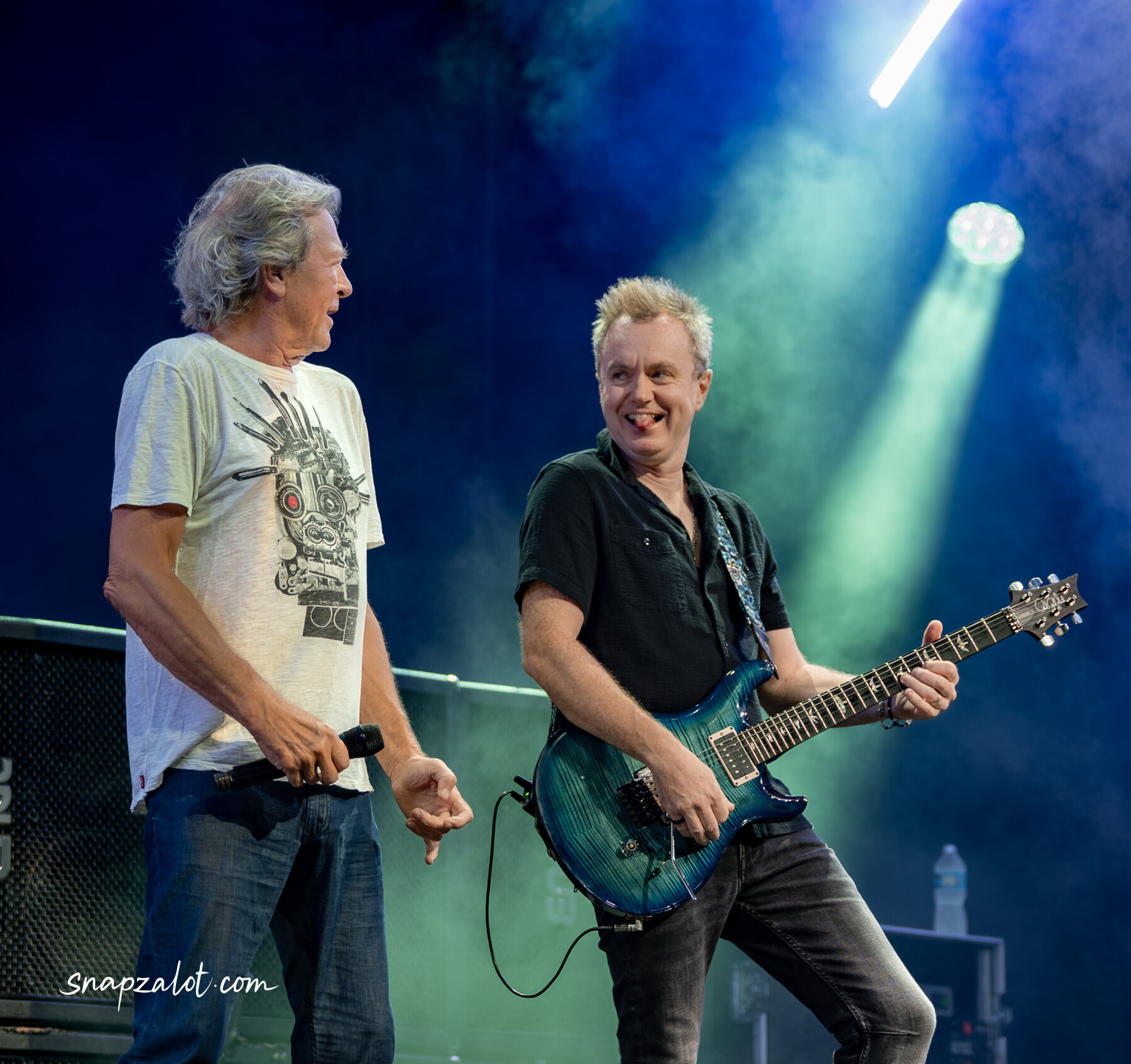
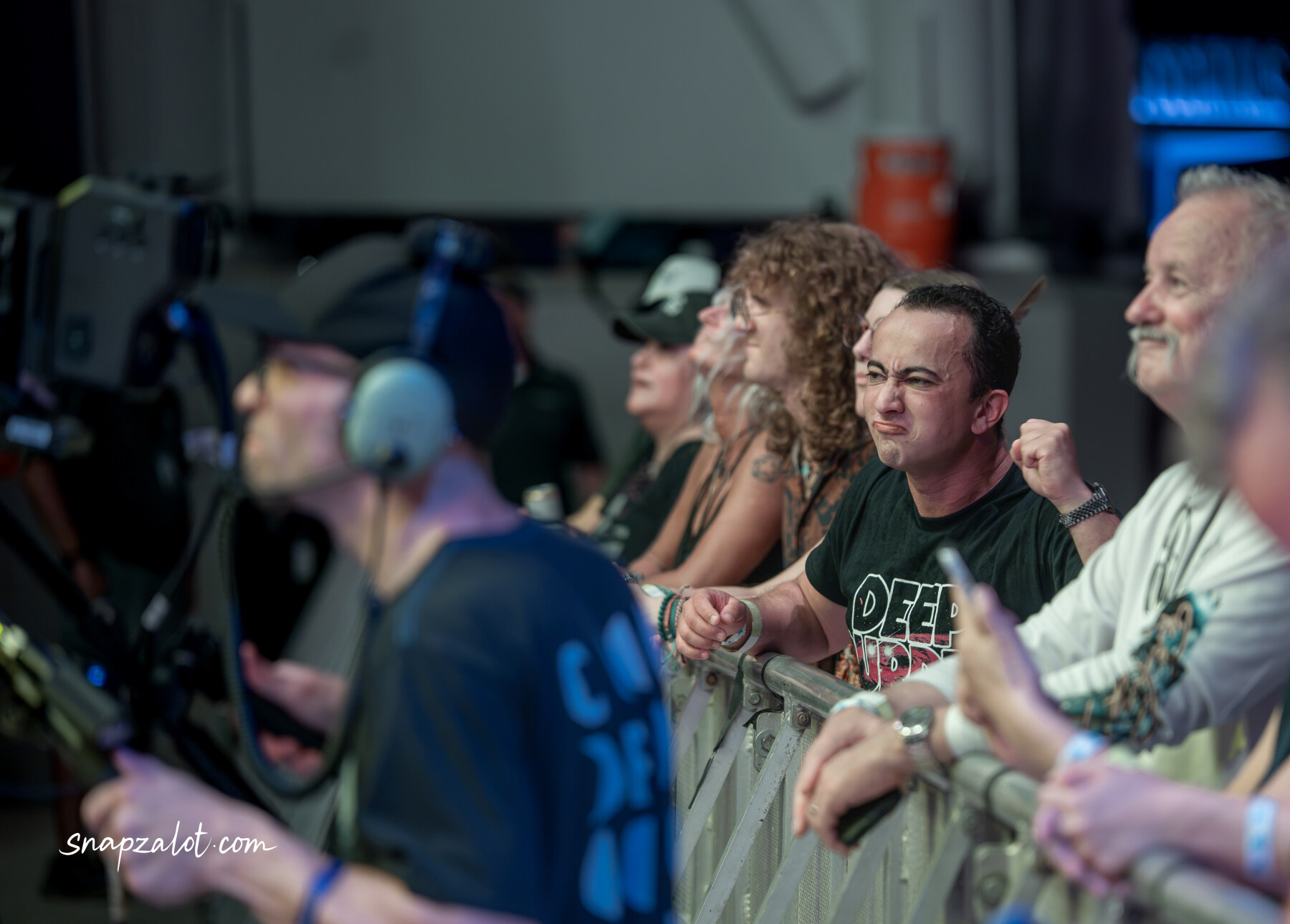
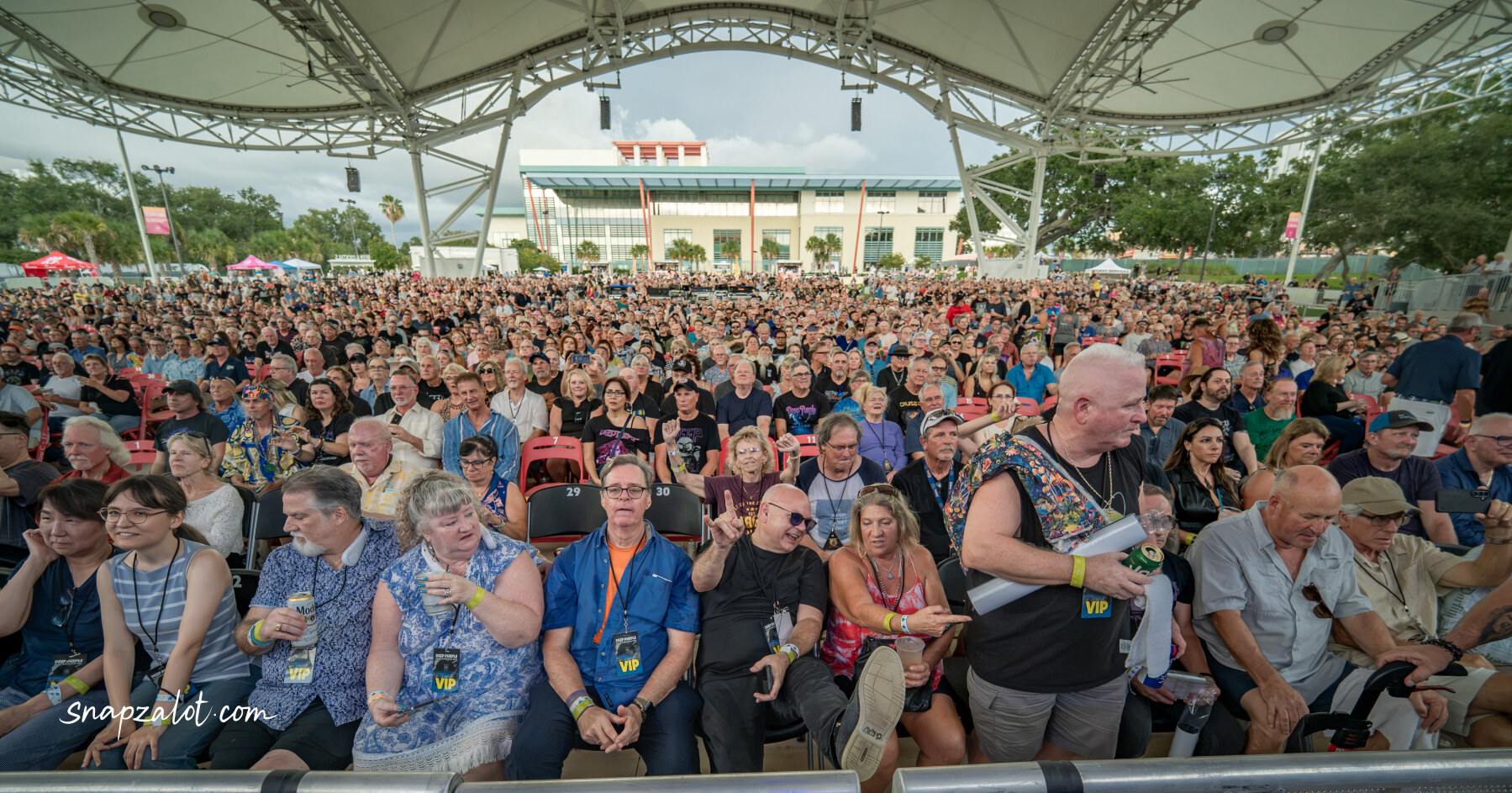
Classic rockers Kansas and Deep Purple stopped into BayCare Sound on a steamy August 8 Saturday night, the second stop of their 24-date tour. The bands still enjoy enormous popularity, as the large crowd that filled the venue, with blankets spread across the hillside at the rear, amply demonstrated. With Deep Purple and Kansas sharing a bill, the evening showed that decades of experience can continue to ignite the fire of creativity and instill a passion for stellar performances. Each group approached its catalog from a different angle, yet both delivered impeccable acts built on musicianship, energy, and songs that continue to resonate with fans after so many years.
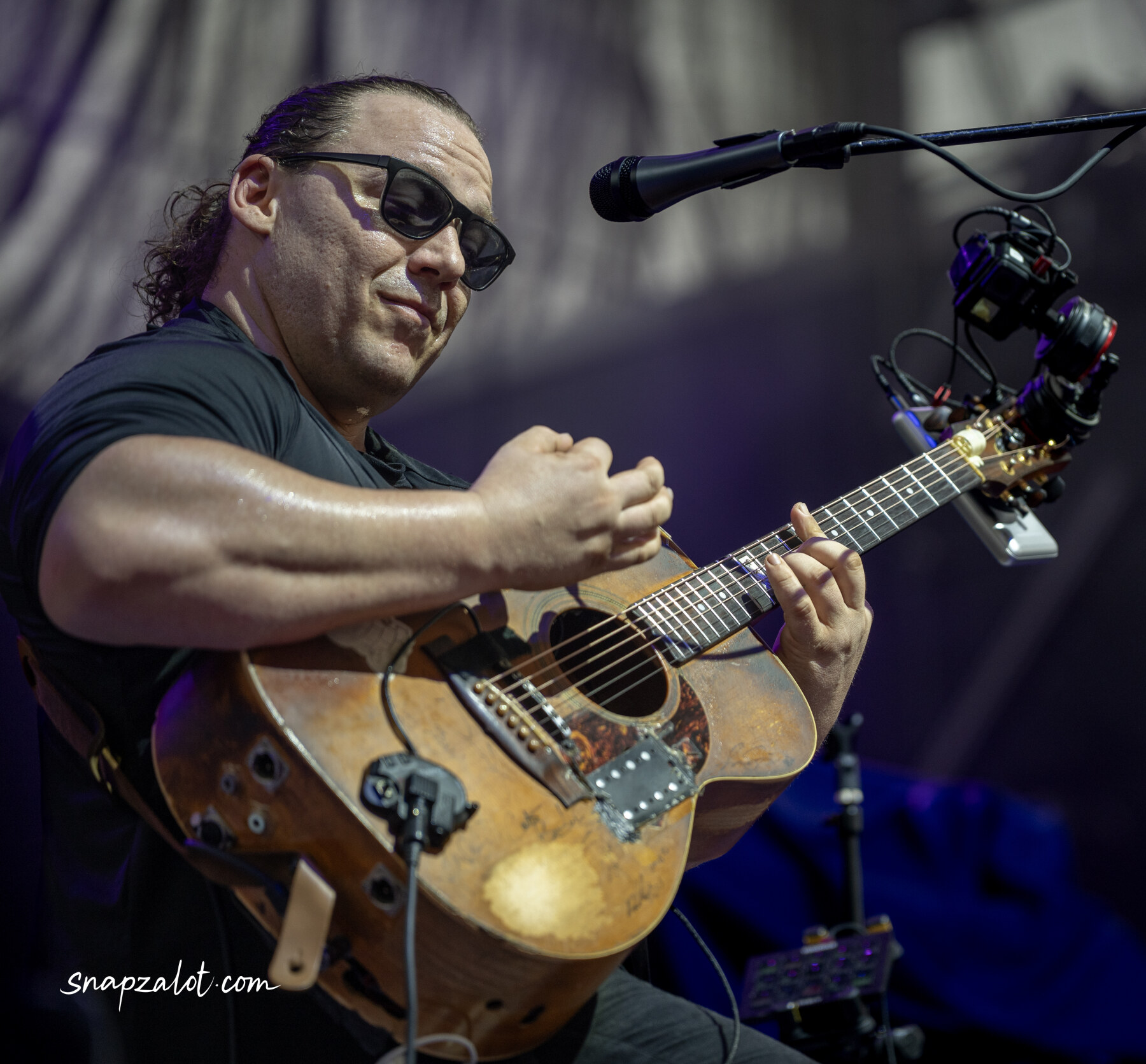
Starting the evening was South Georgia fingerstyle guitar wizard Shaun Hopper, who is well known and beloved by local Tampa Bay audiences for his unique approach to the instrument, which combines bass lines, rhythm, percussive beats on the guitar, and looping melodies into a genuine one-man-band performance. Shaun rolled out an impressive repertoire of tunes to get the crowd going, featuring Led Zeppelin’s “Kashmir,” as well as songs by The Beatles, Steely Dan, and Metallica. His enthusiasm and talent are infectious and always provide an entertaining interlude.
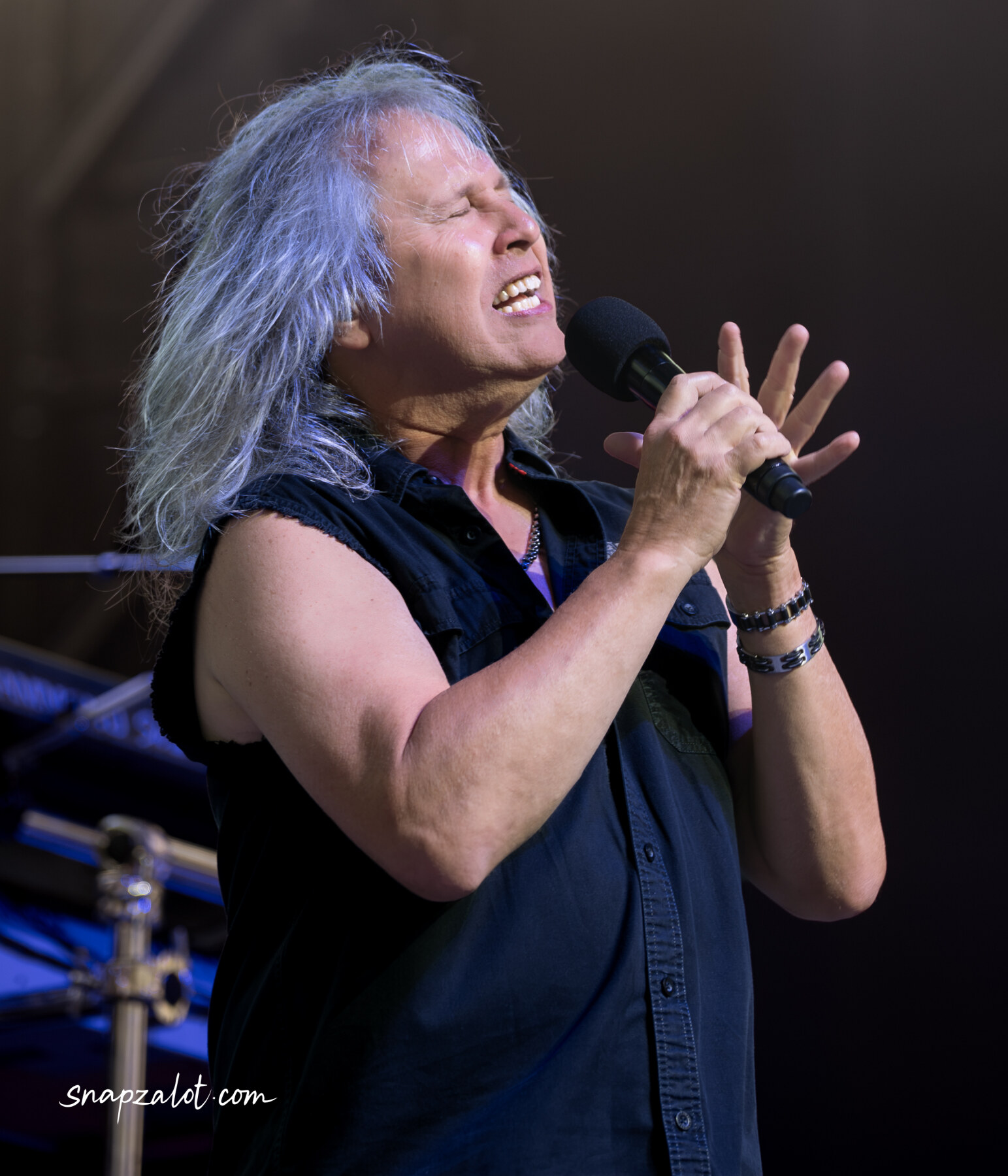
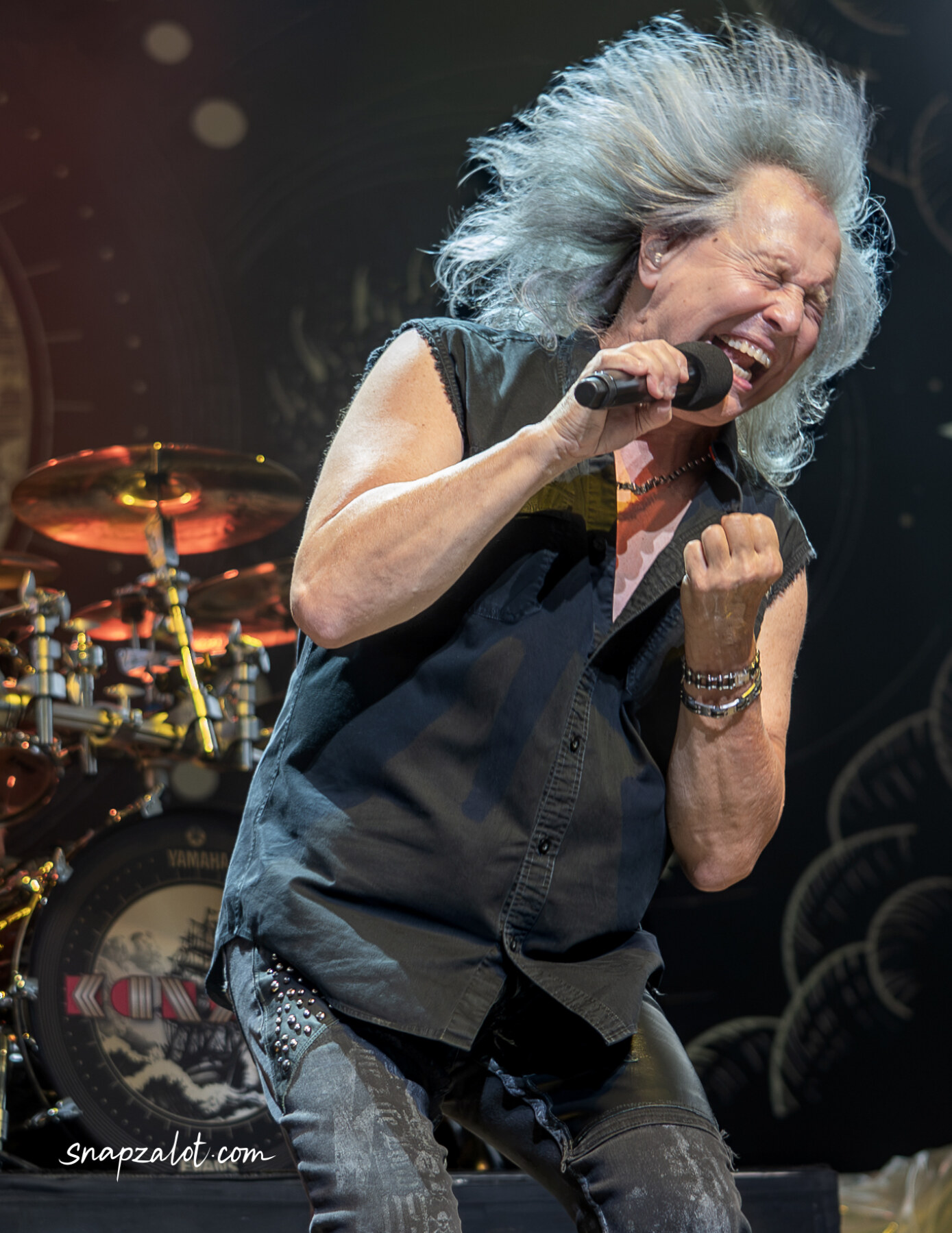
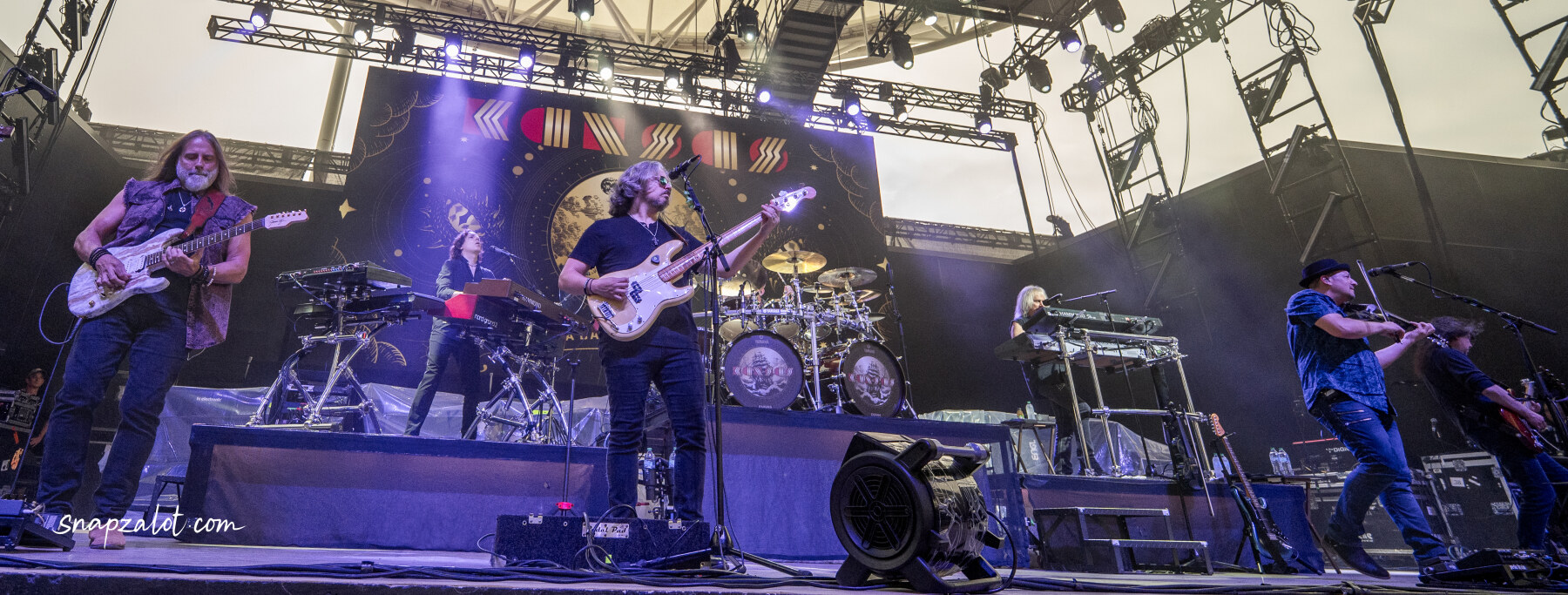
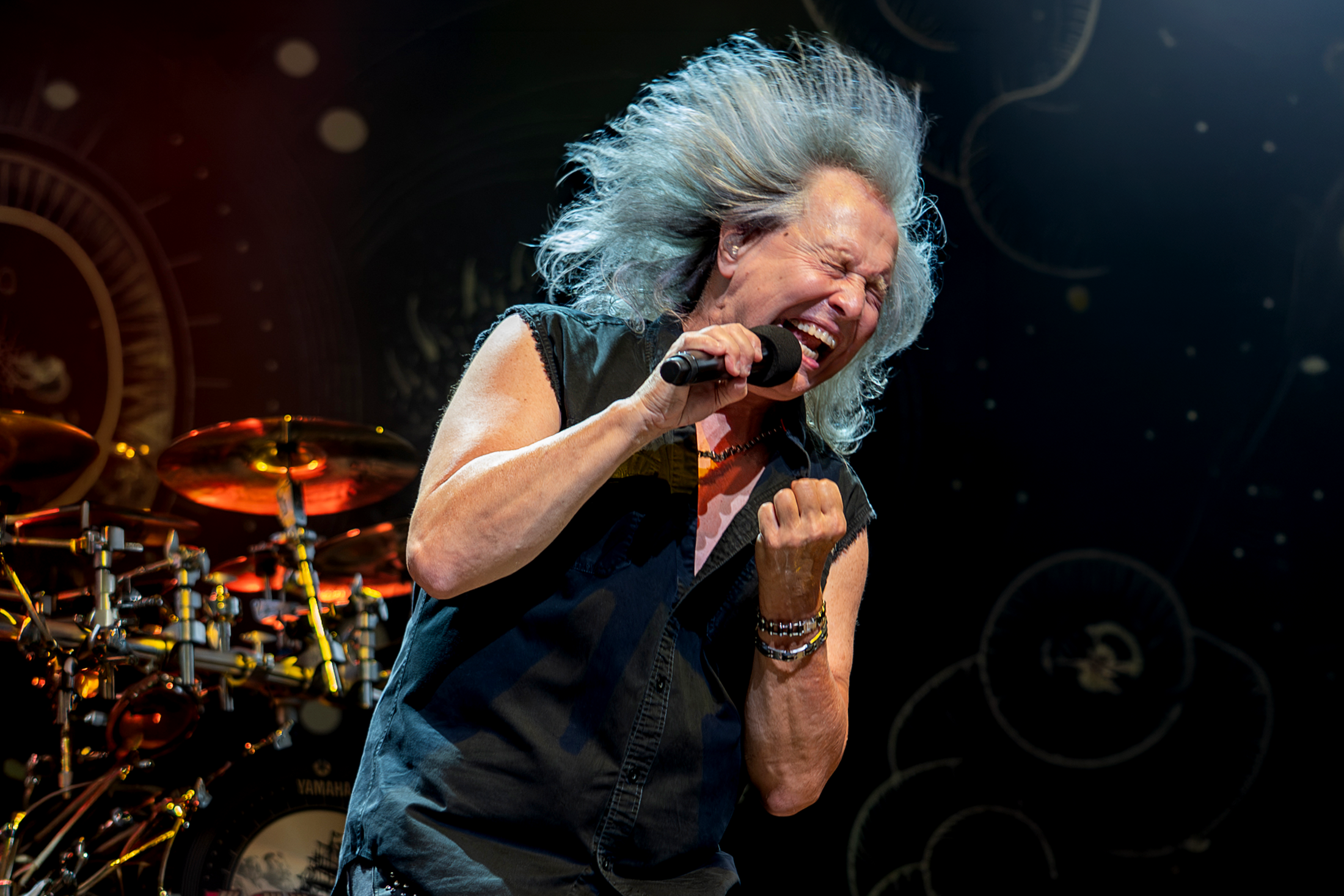
After an intermission, Kansas wasted no time getting down to business, opening with the precision and ambition that have long distinguished the band from many of its classic rock contemporaries. Frontman Ronnie Platt handled the demanding vocal material with confidence and range, effortlessly gliding through the soaring melodies of “Point of Know Return” and the expansive majesty of “Song for America.” Platt has been the vocalist and keyboardist since 2014, and he’s the perfect replacement for the legendary Steve Walsh, delivering vocals with fluidity, power, and intensity.
Among progressive rock aficionados, Kansas is often ranked as the greatest American prog band, and with those bona fides, the band must deliver the goods to carry such a lofty banner.
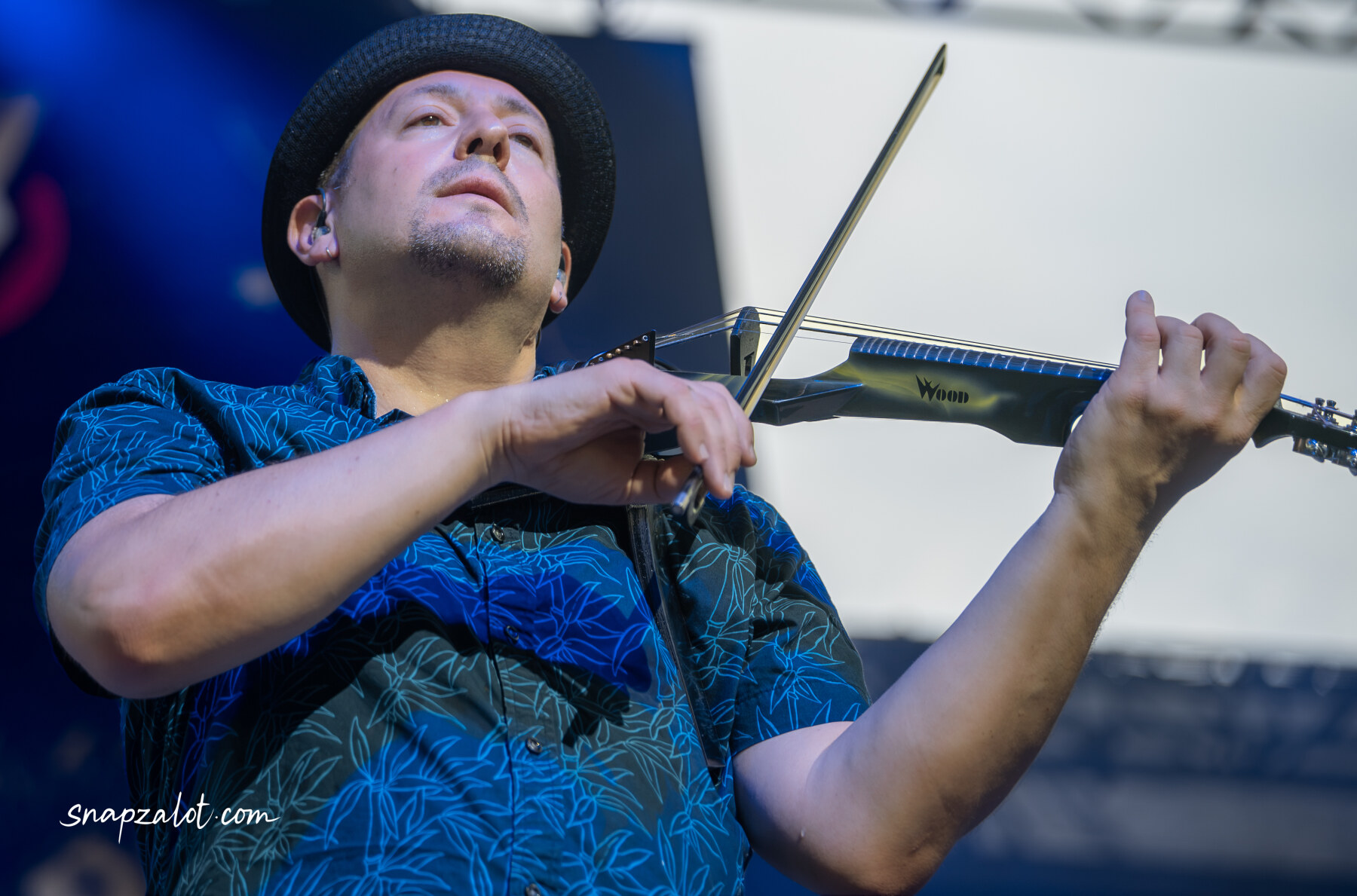
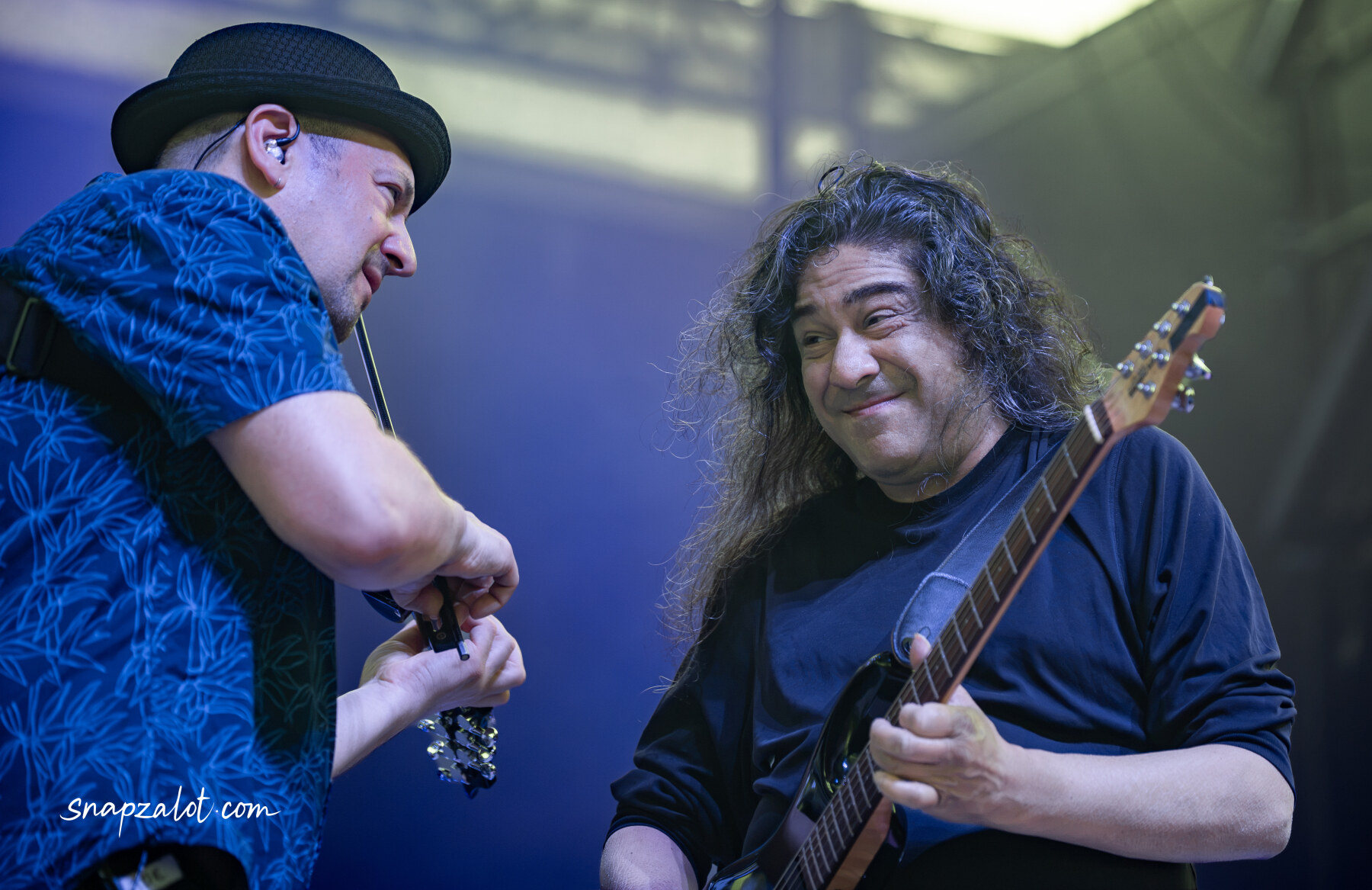
The current lineup pulls it off with equal parts precision and panache. Violinist Joe Deninzon emerged as one of the evening’s most exciting performers. After all, who doesn’t love a guy wailing away on an electric violin in a virtuoso rock act? His playing provided the signature Kansas texture, but there was nothing restrained about it. Attacking the instrument with the intensity of Jimi Hendrix, he injected power and urgency into the band’s intricate arrangements on his unique seven-string instrument.
Kansas took the opportunity to play the compelling recent composition “Jets,” written by keyboardist Tom Brislin, proving that the current lineup is a creative force to be reckoned with.
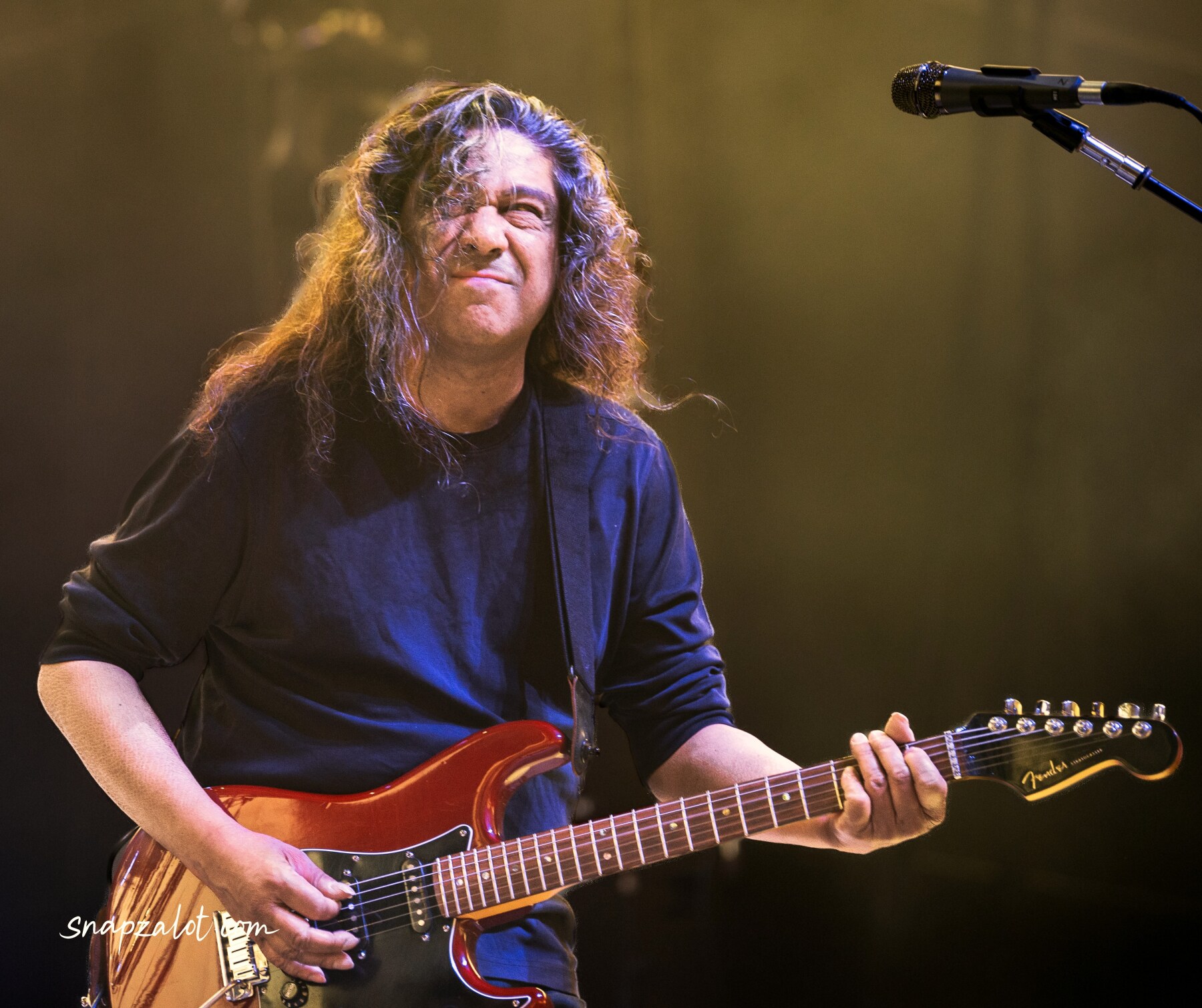
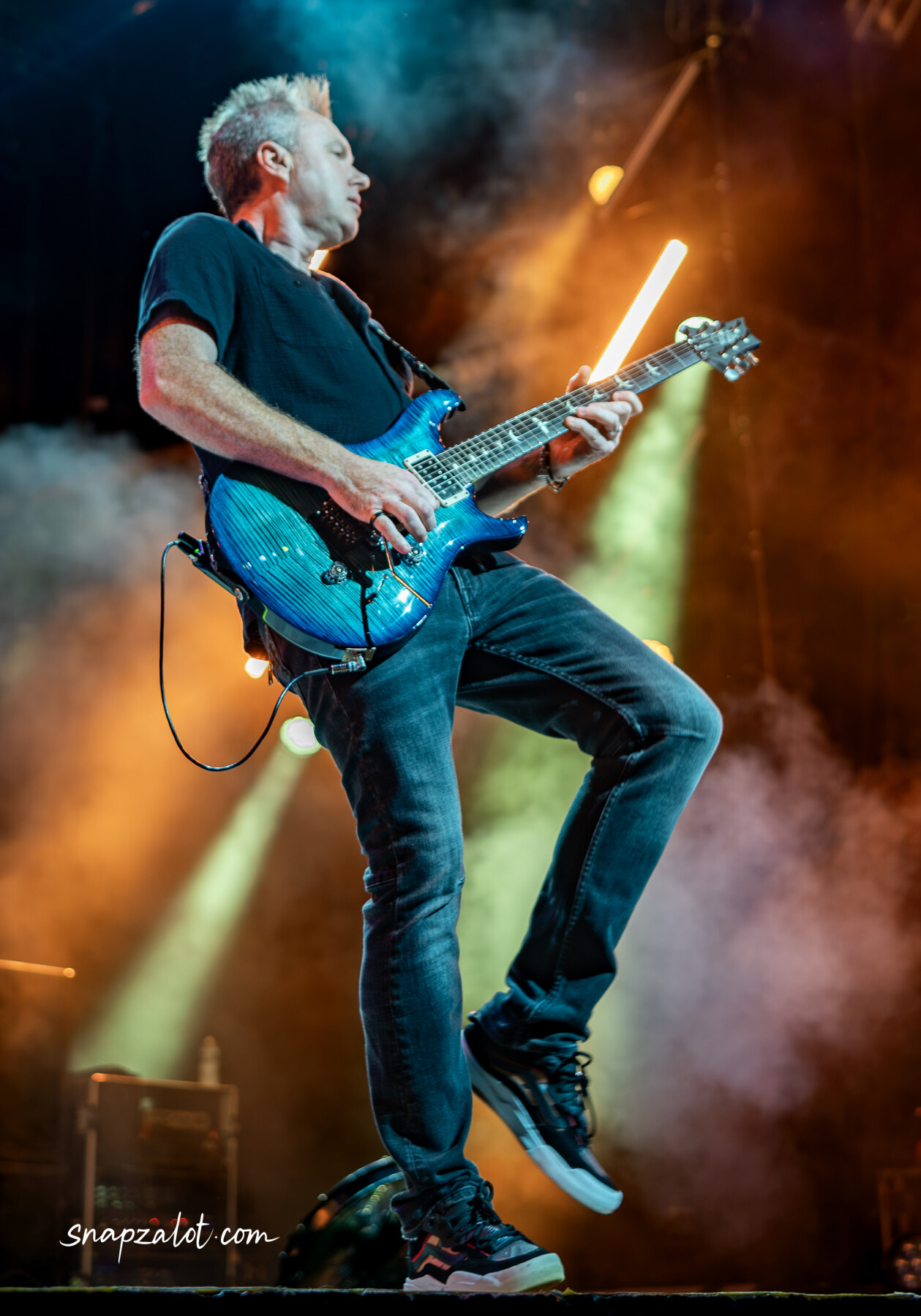
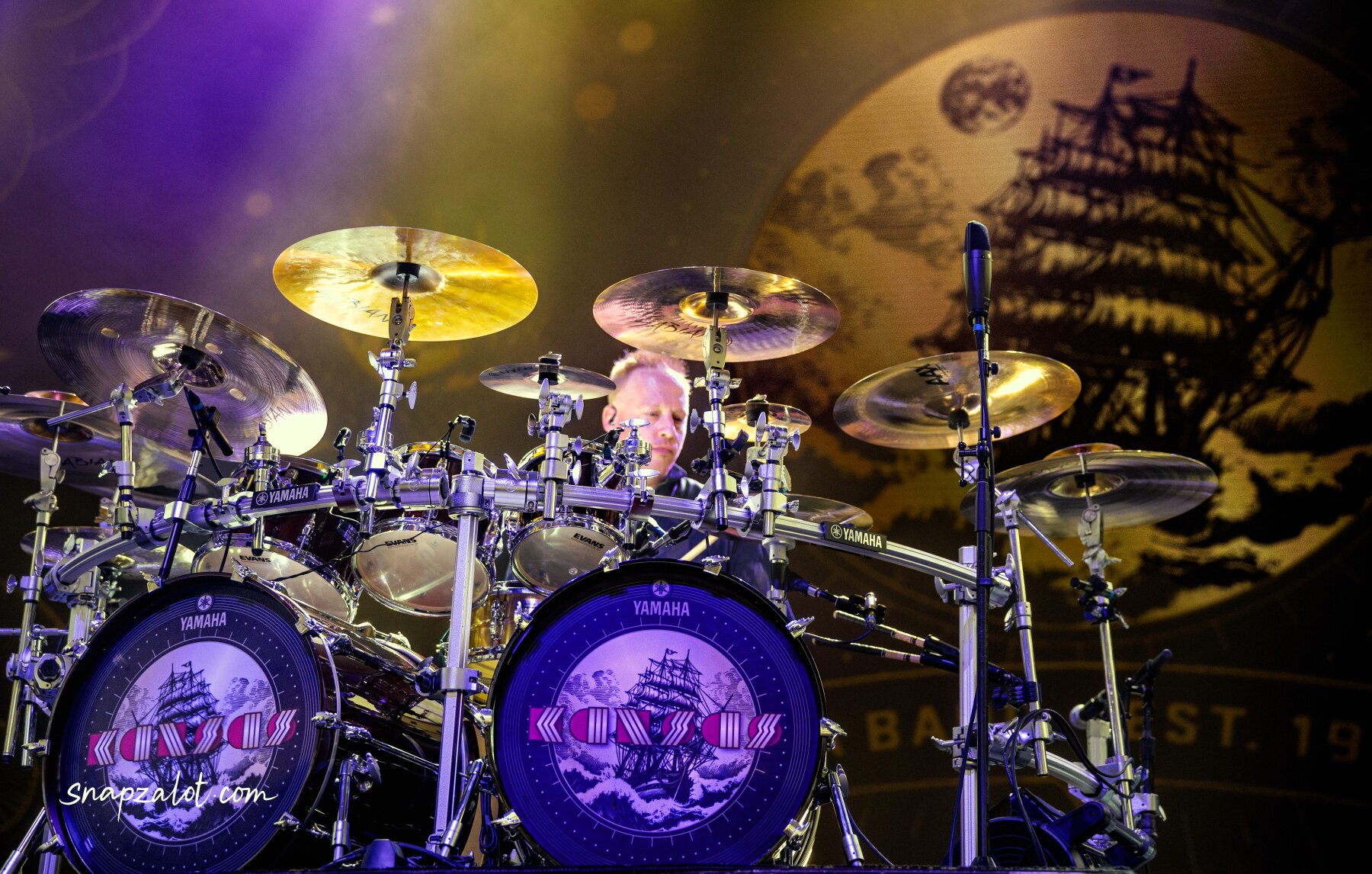
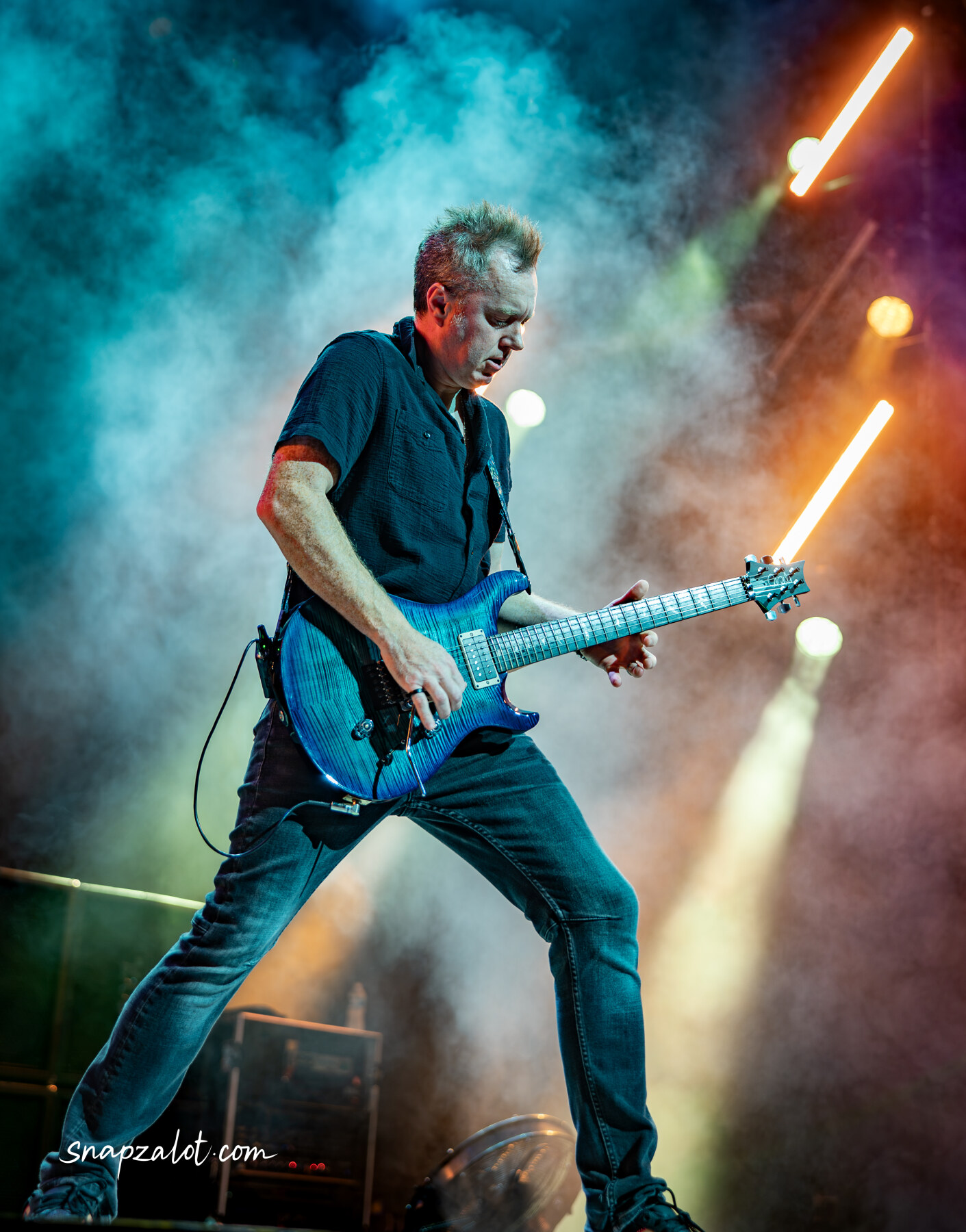
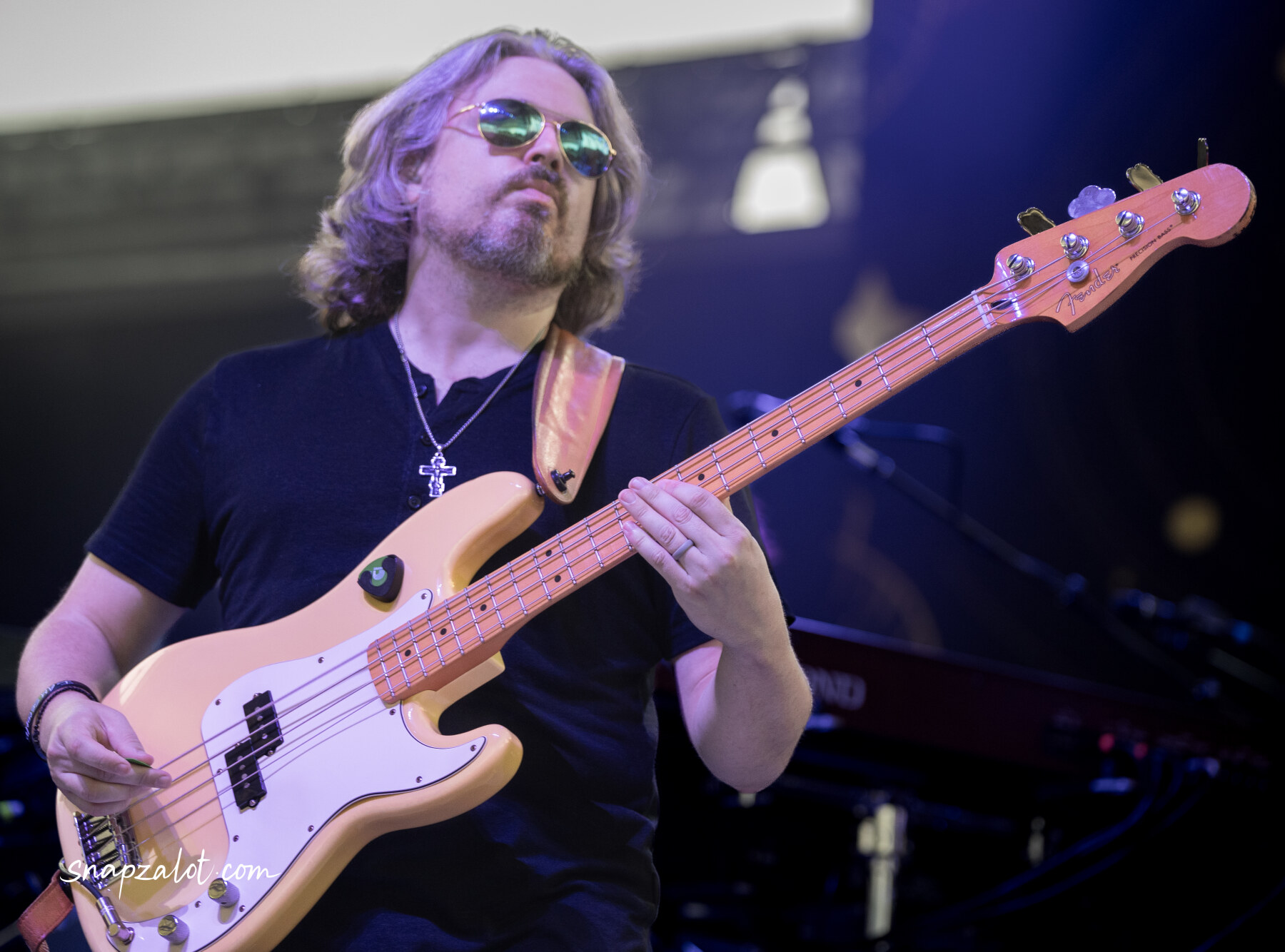
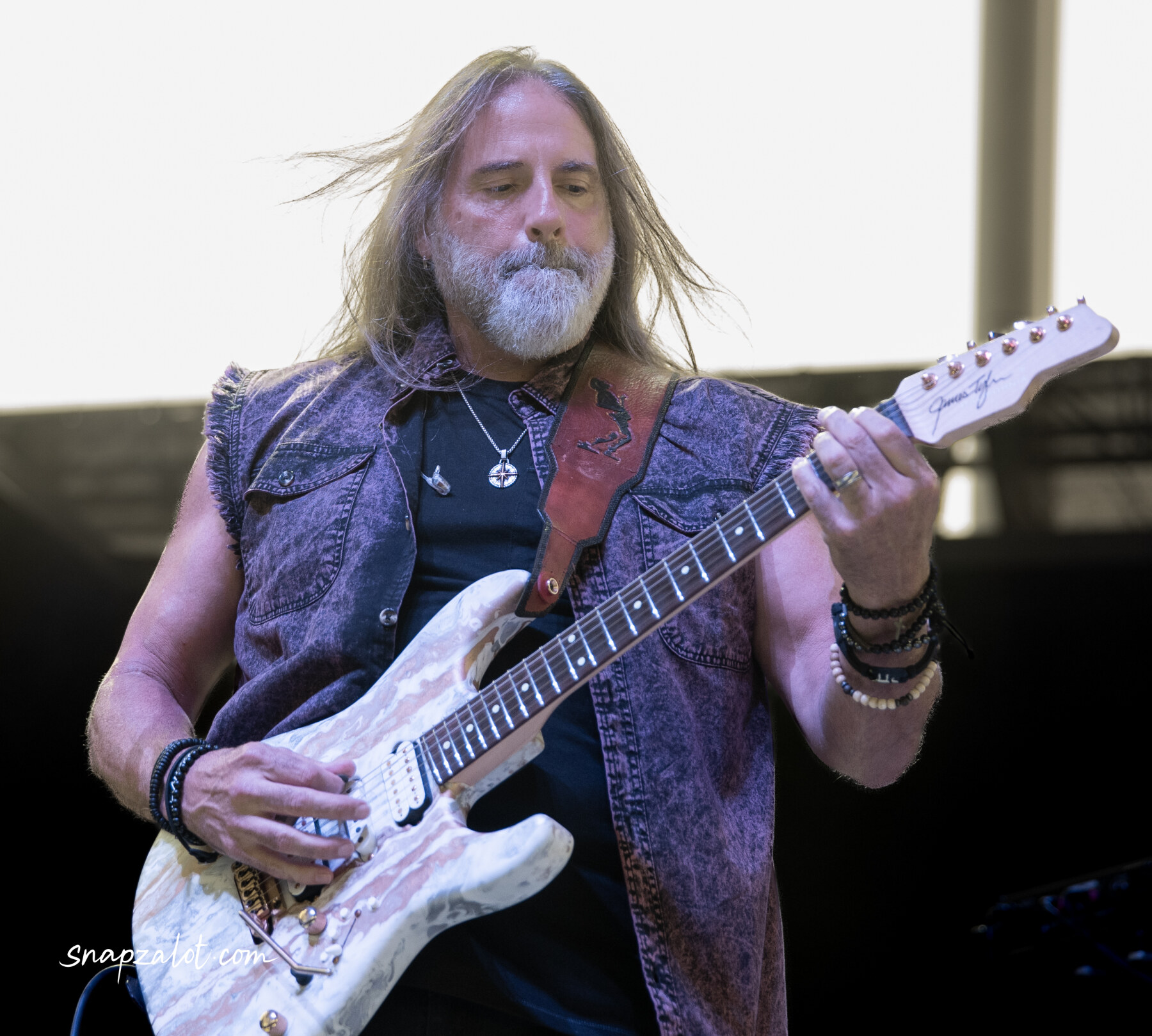
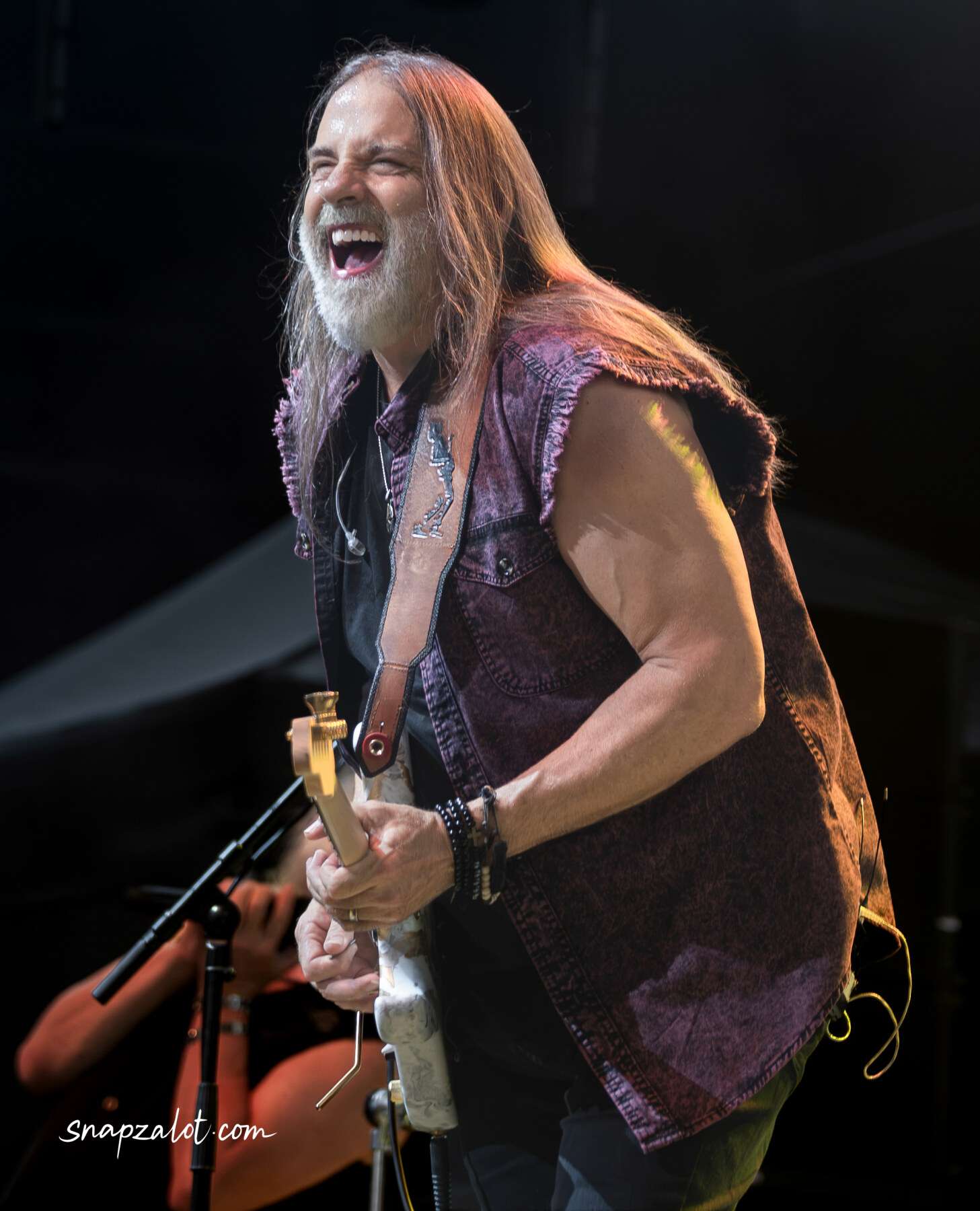
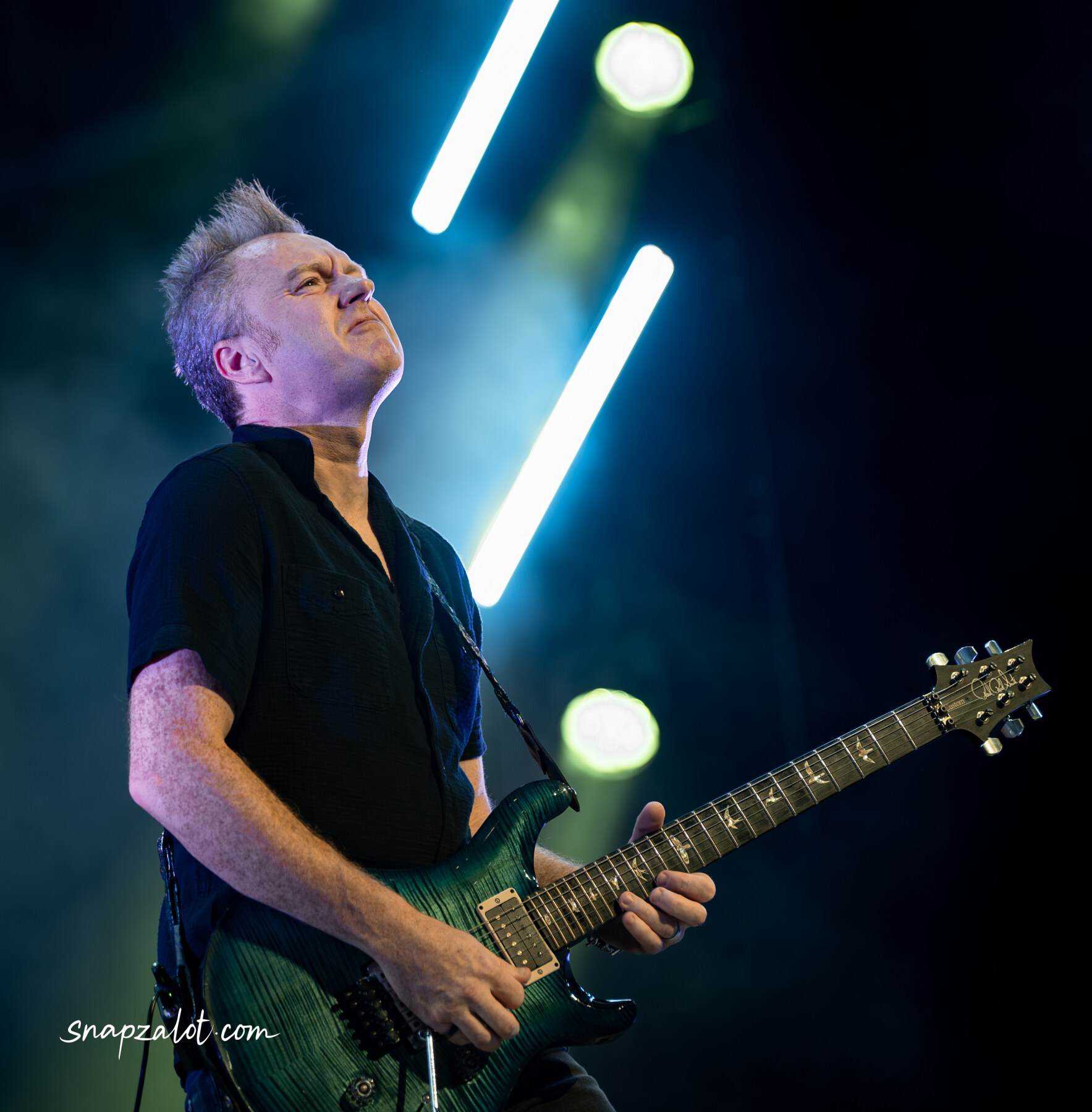
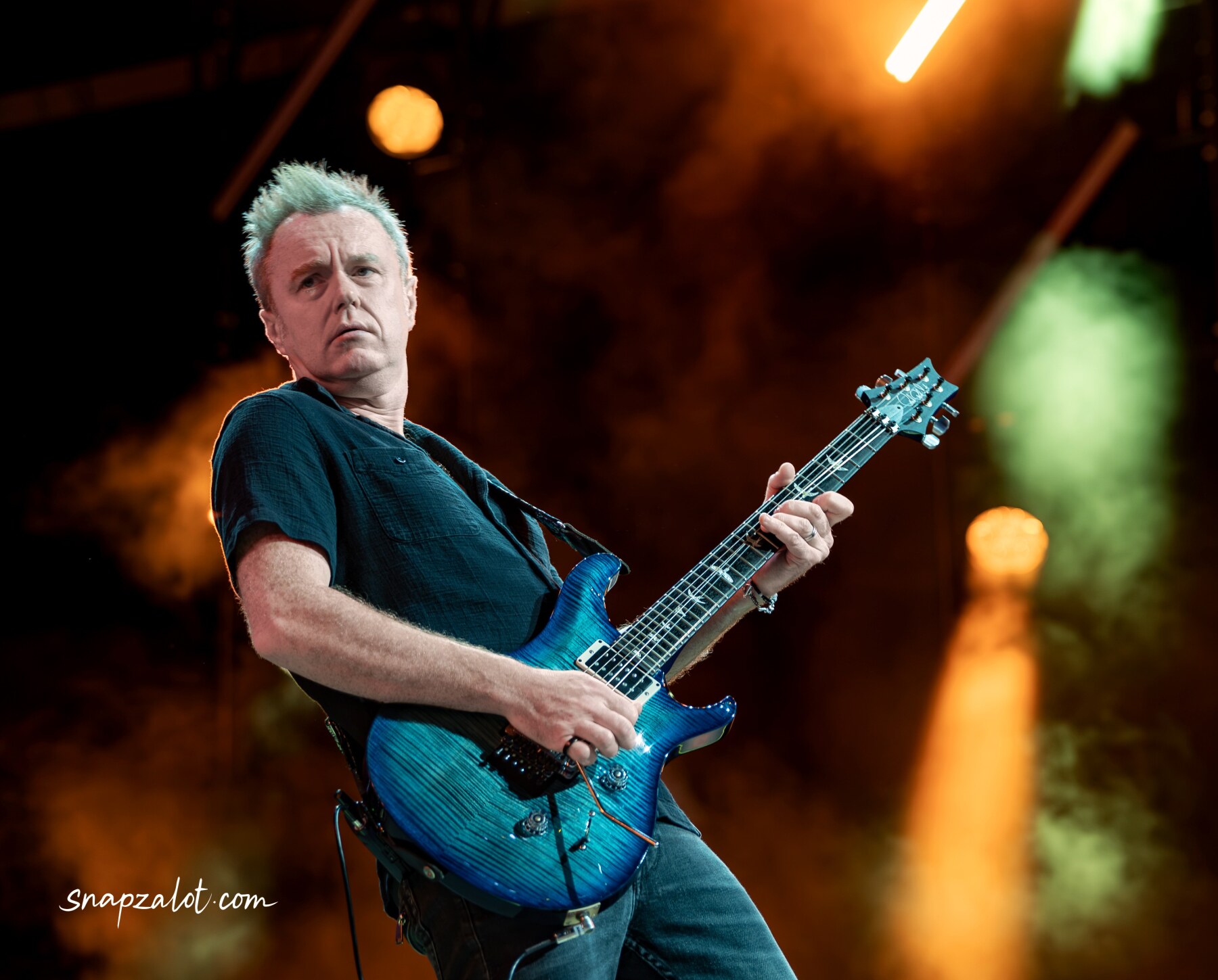
All of the band members proved worthy successors to the original lineup, with searing Nashville-based guitarist Scott Bernard, very capable rhythm and lead guitarist Zak Rizvi, a powerful low end from Dan McGowan, and the intricate drumming of Eric Holmquist, who assumed the role in 2024 following founding member Phil Ehart’s retirement.
The mood shifted during “Dust in the Wind.” The layered instrumentation fell away, leaving the familiar melody to carry the moment as the crowd joined in quietly. It was one of those rare concert experiences where a song becomes a shared memory. Particularly poignant was the beautiful violin part in that famous song, which evoked the indelible memory of original Kansas violinist Robby Steinhardt, who passed away in 2021 and resided in Tampa Bay for many years. Robby was beloved by many throughout the area, and the resonance of that violin part reminded us all of his greatness.
Kansas, of course, closed with “Carry On Wayward Son,” and the response was thunderous. The opening chords ignited the audience into some rather suspect vocal renderings, but the enthusiasm was undeniable as it transformed the finale into a full-scale arena sing-along.
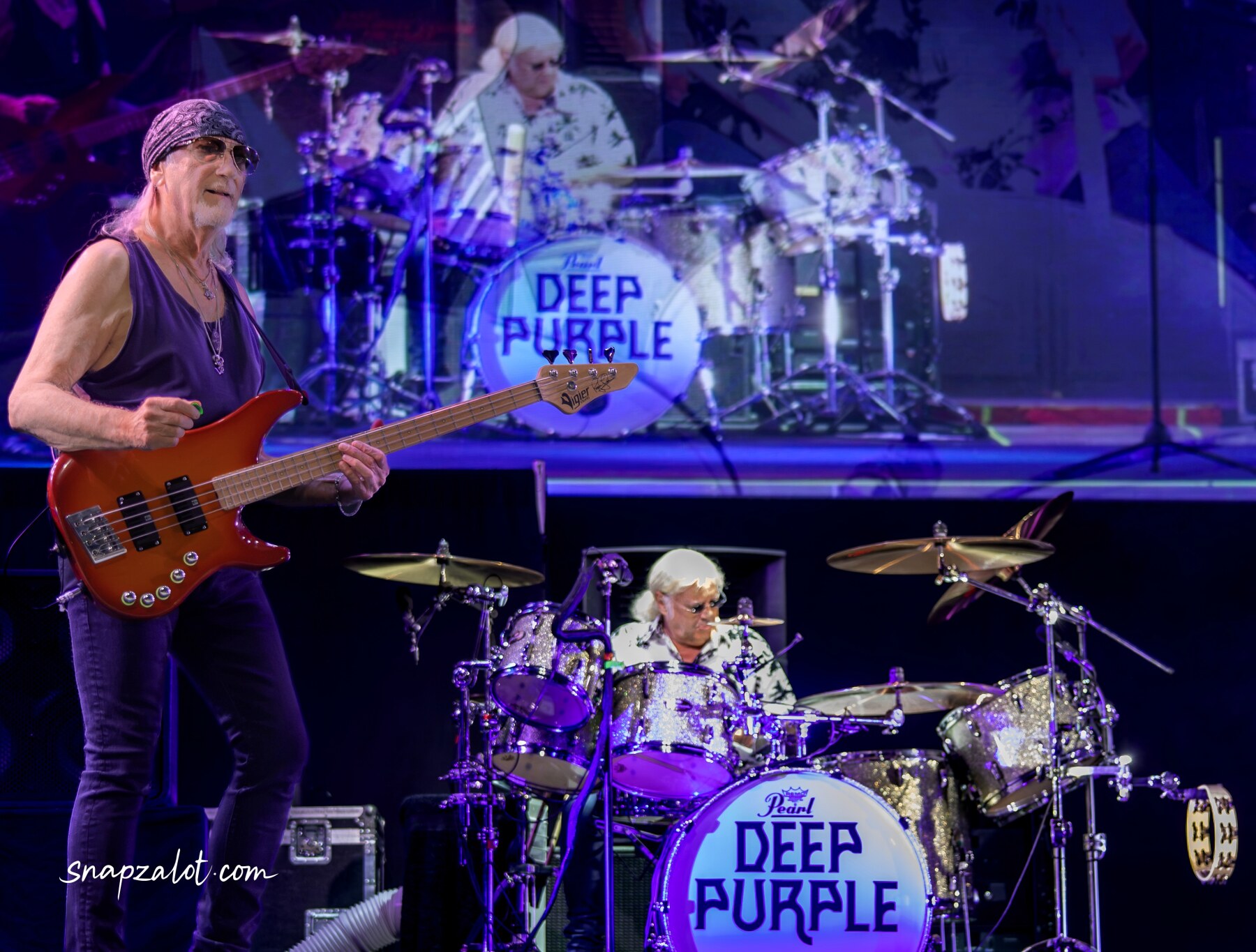
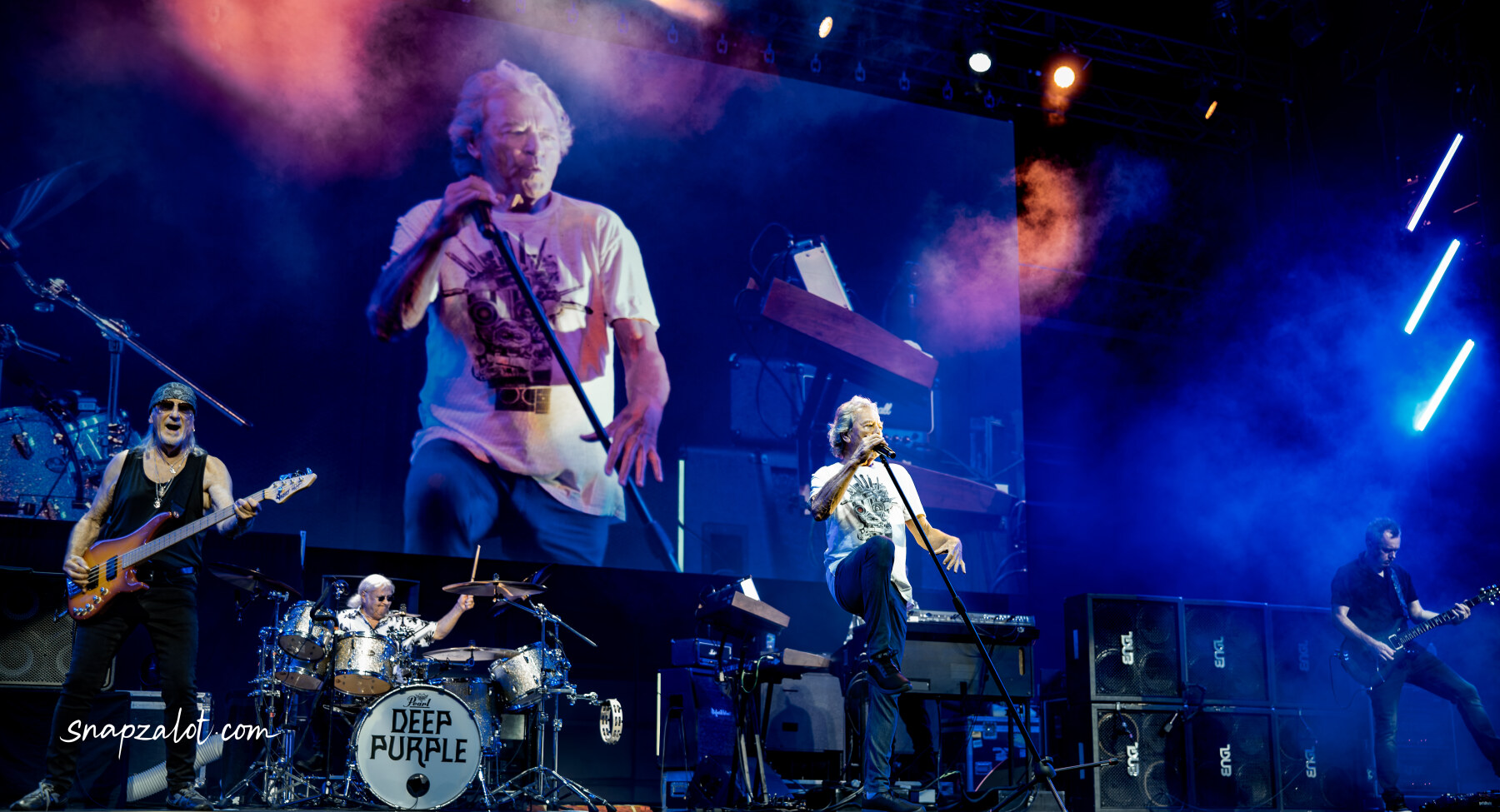
After a second intermission, Deep Purple picked up the mantle of Kansas’ precision and refinement, then kicked it into pure power overdrive, as is their trademark as one of the greatest hard rock bands to emerge from Britain. Legendary would be an understatement, and Purple wasted no time, opening with a thunderous “Highway Star” and immediately establishing the heavier tone of the evening’s second half.
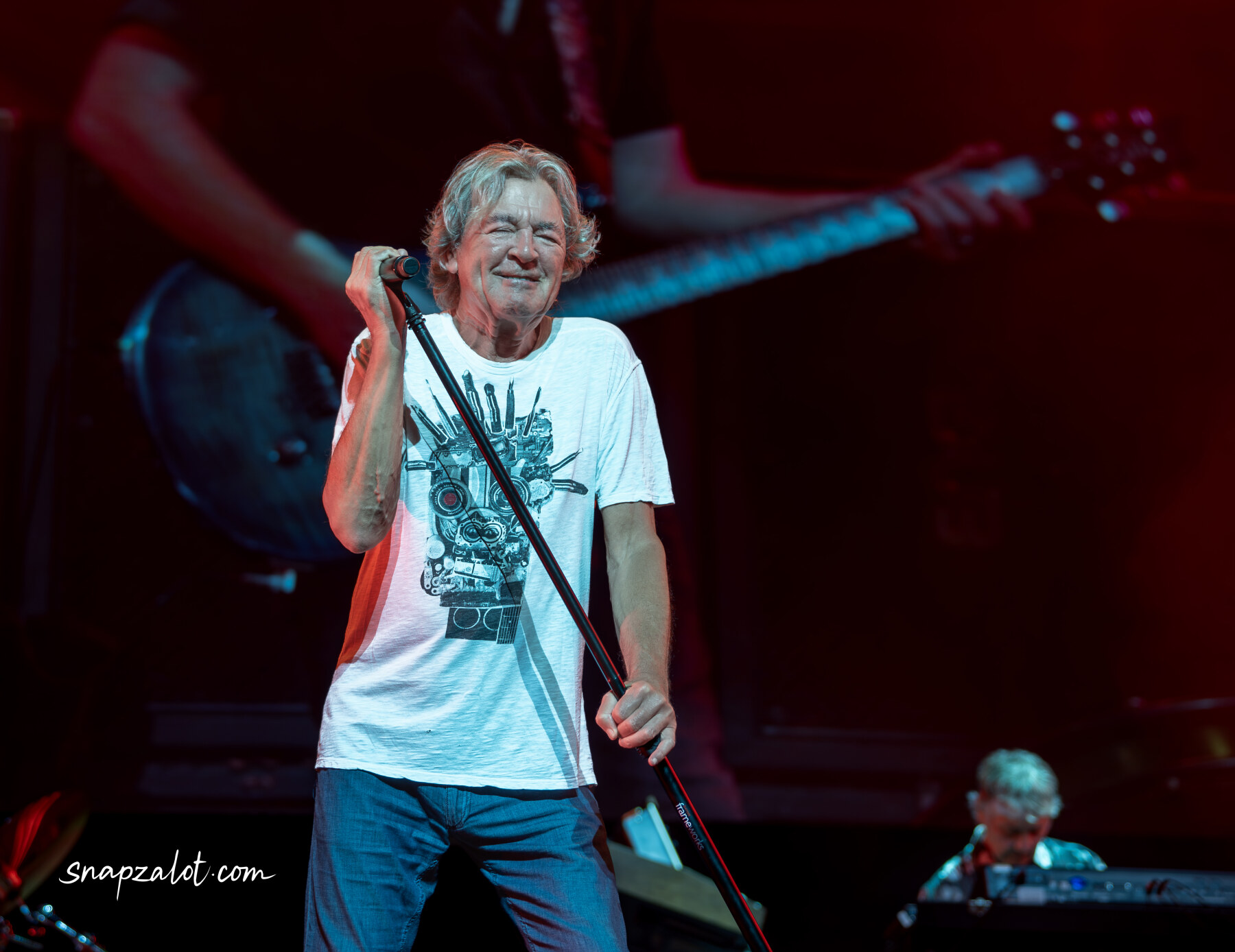
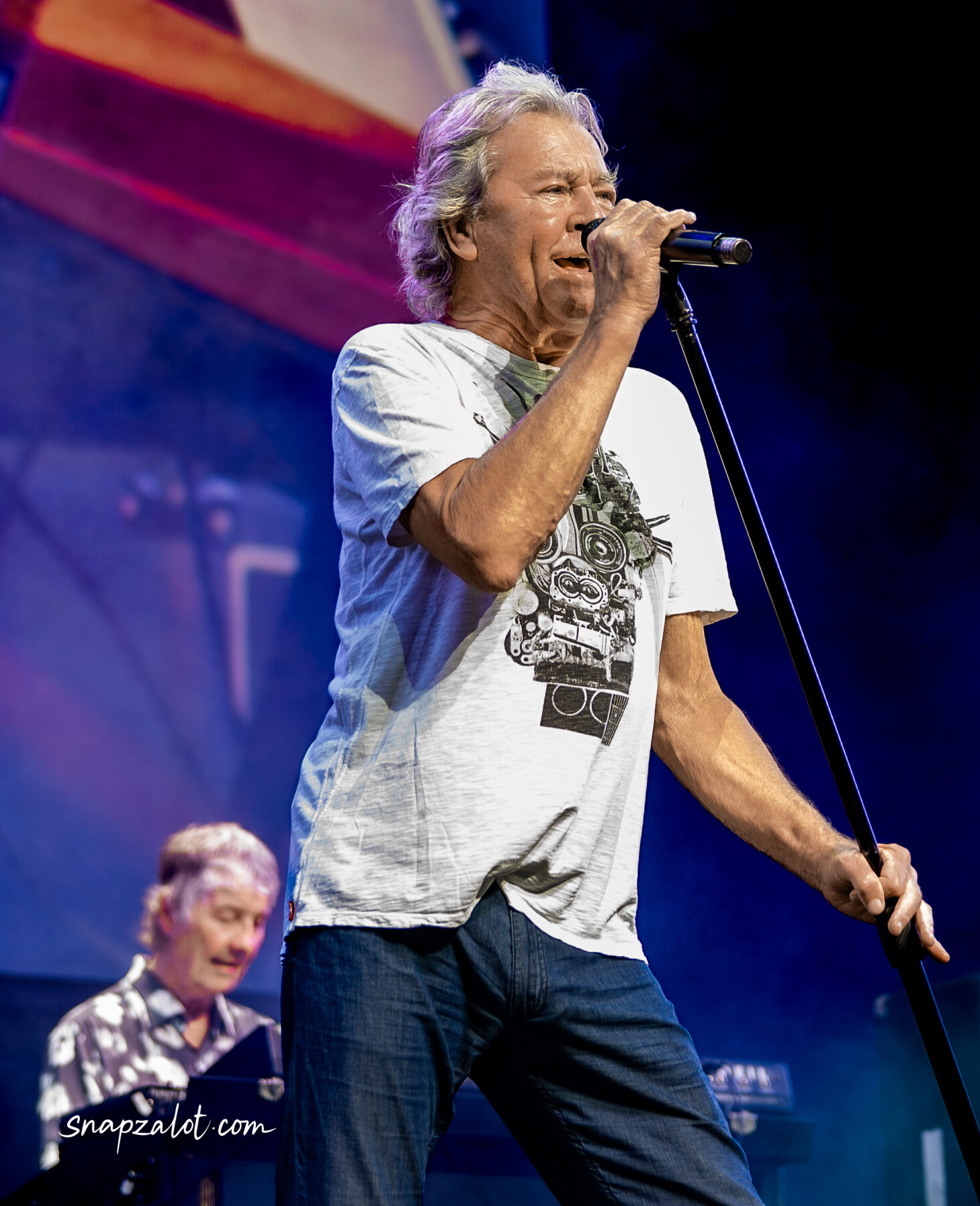
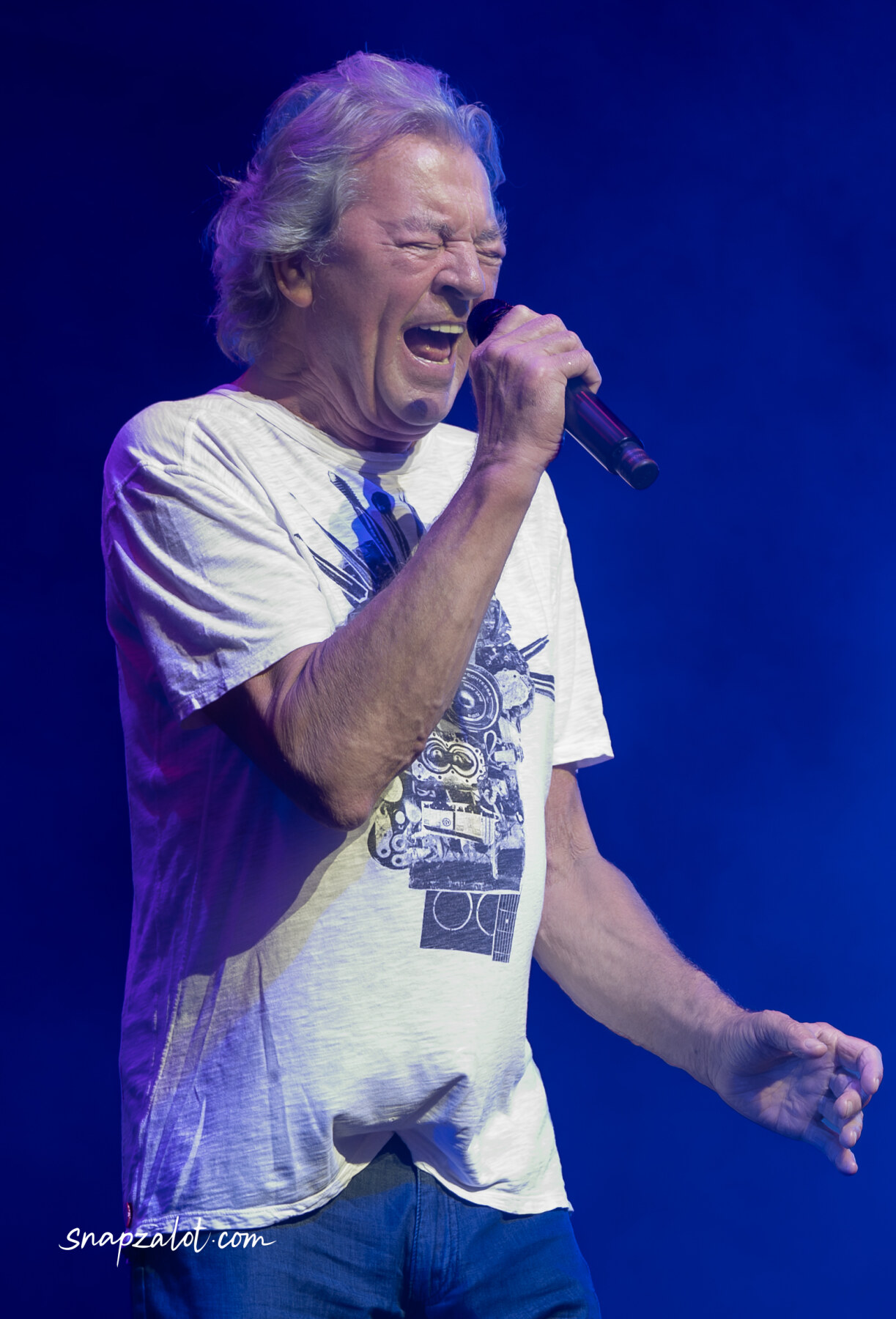
At the center stood Ian Gillan. His voice remains one of hard rock’s defining instruments. Rather than attempting a note-for-note recreation of the past, Gillan relied on experience, grit, personality, and stage presence to make the material feel alive and relevant. Ian is indeed a no-nonsense fellow and probably still someone you wouldn’t care to encounter in a dark alley.
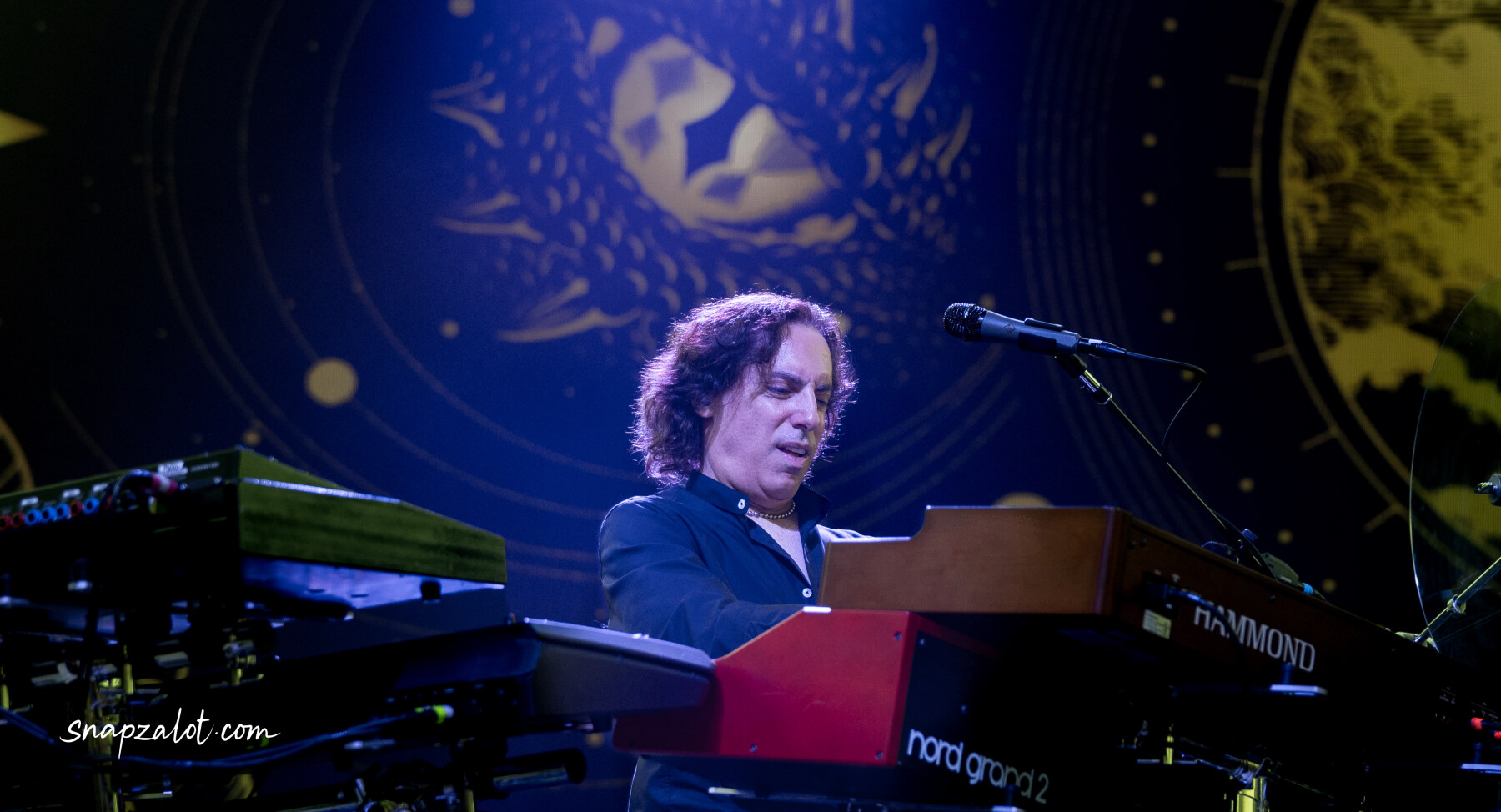
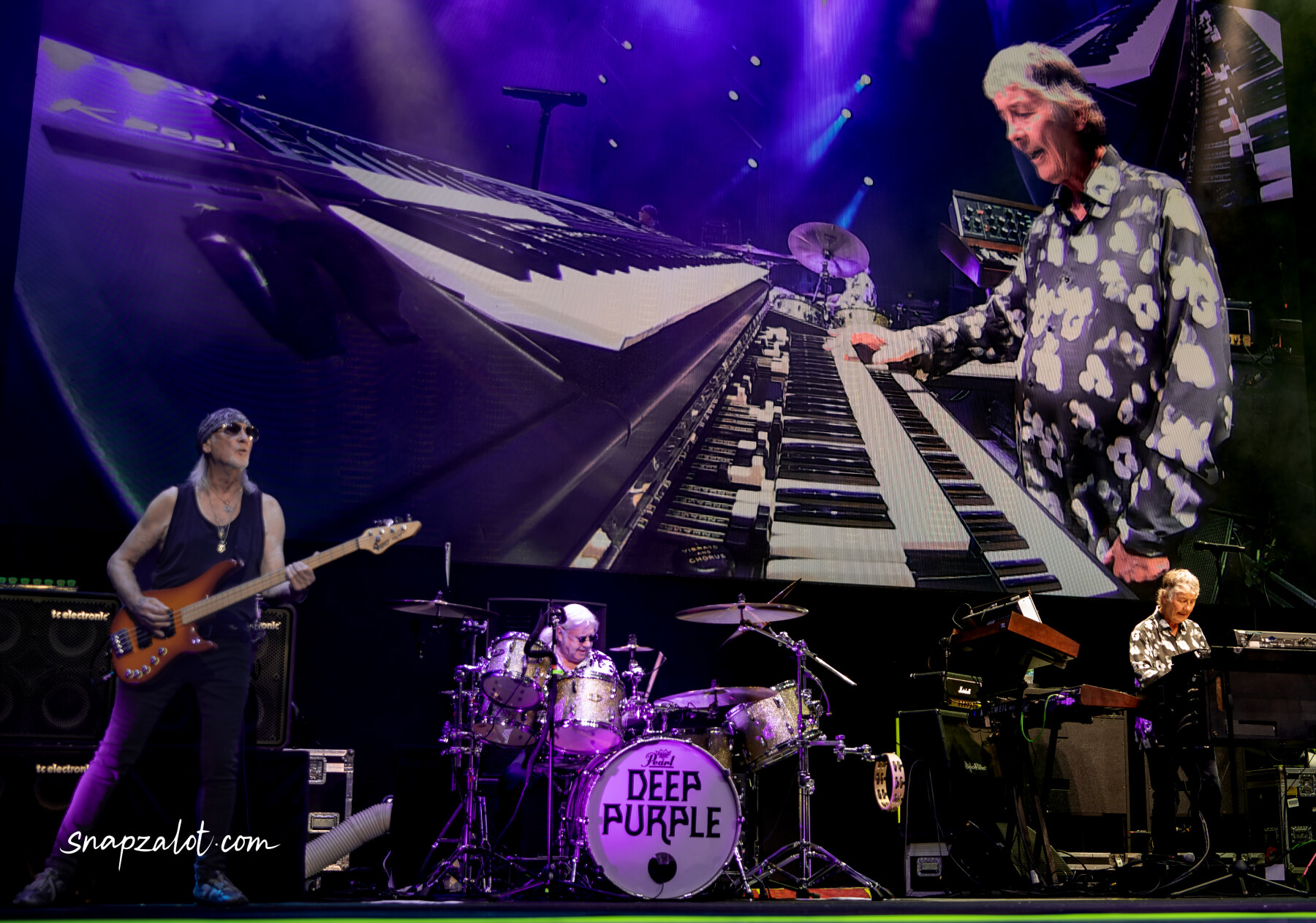
Don Airey unleashed the Hammond organ flourishes that have been central to the band’s sound for decades. He took two extended solos throughout the set that surely did Jon Lord proud, in a frenzy that possessed all the defining features and intensity of the band’s heyday during the early 1970s.
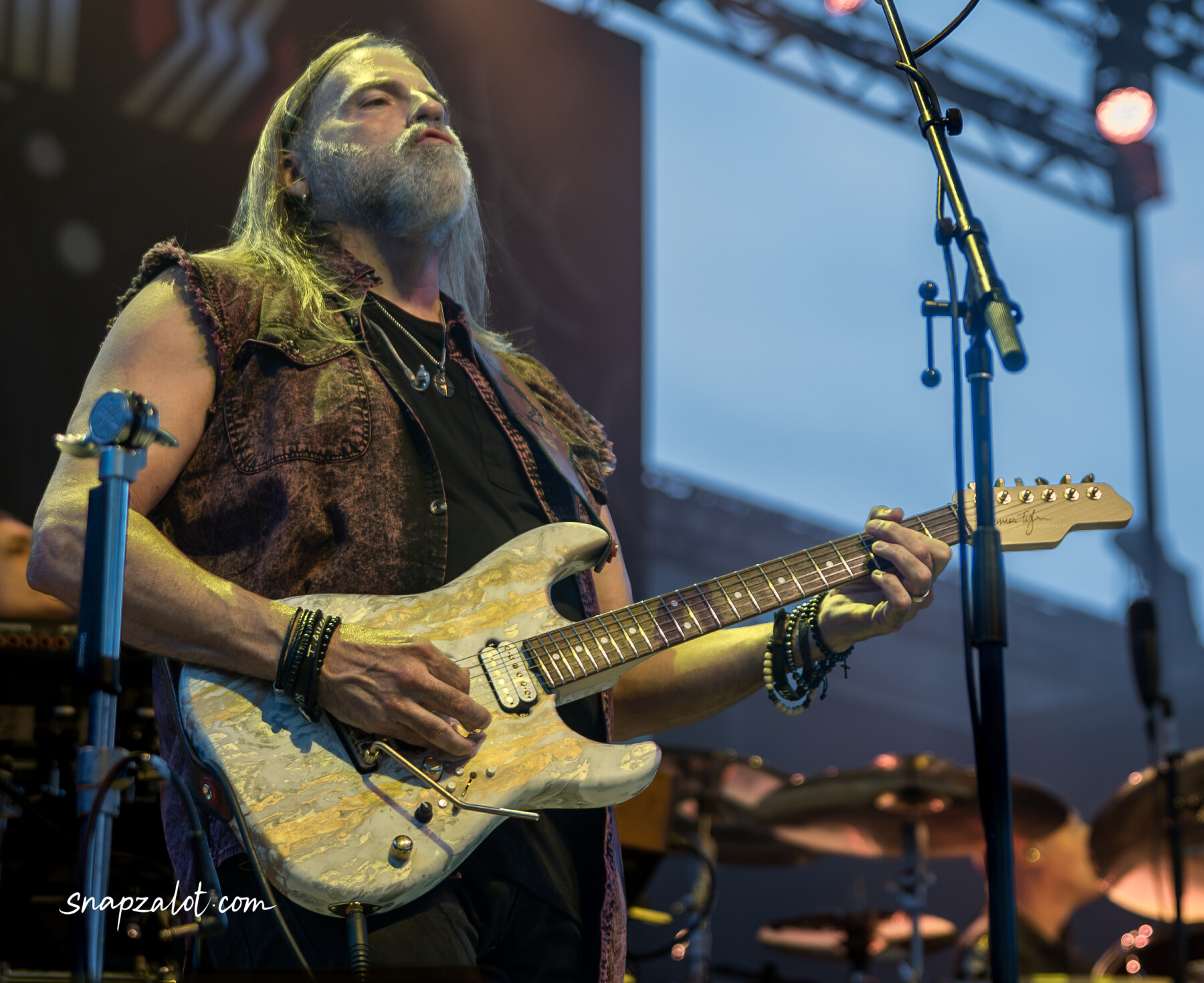
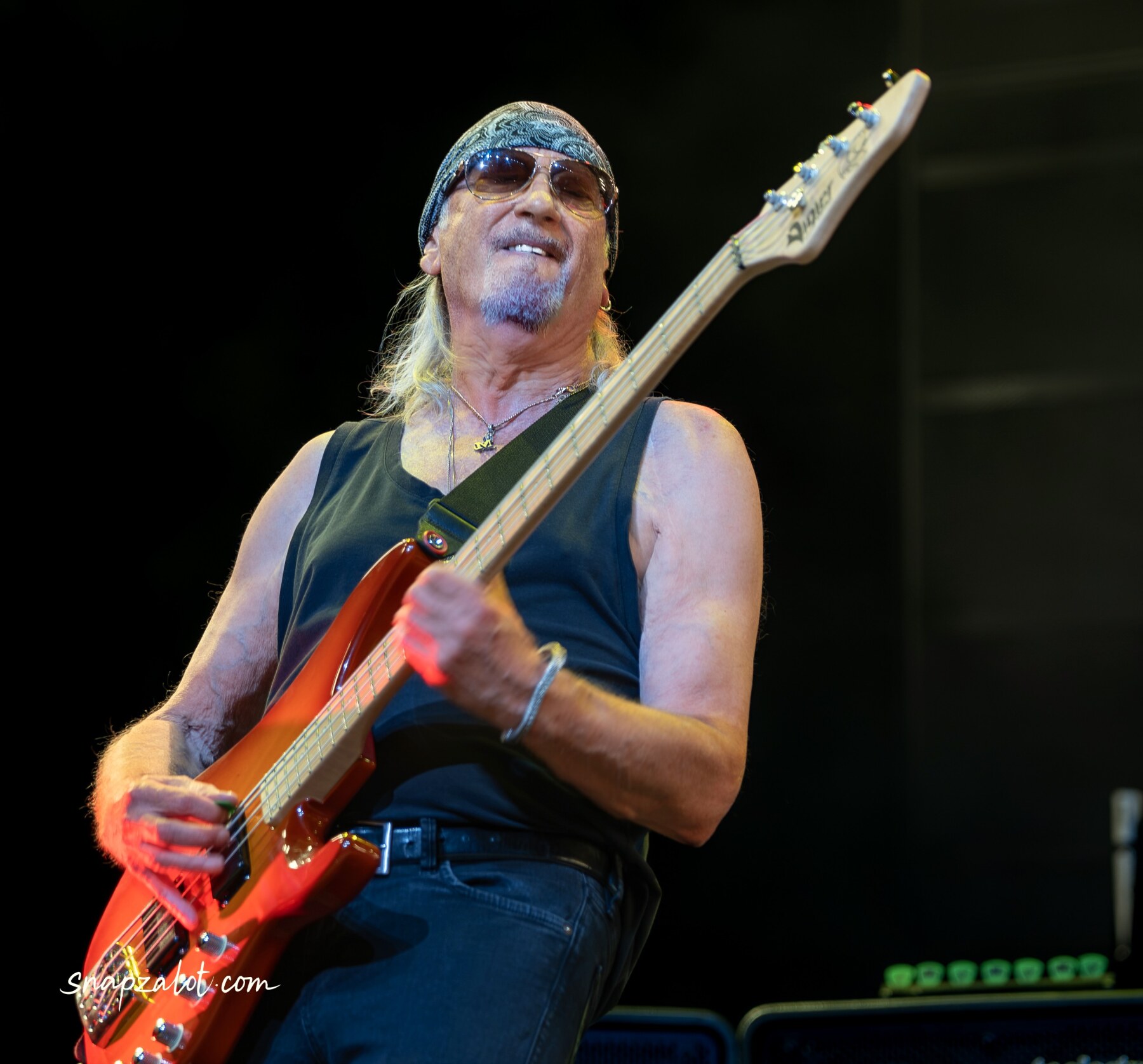
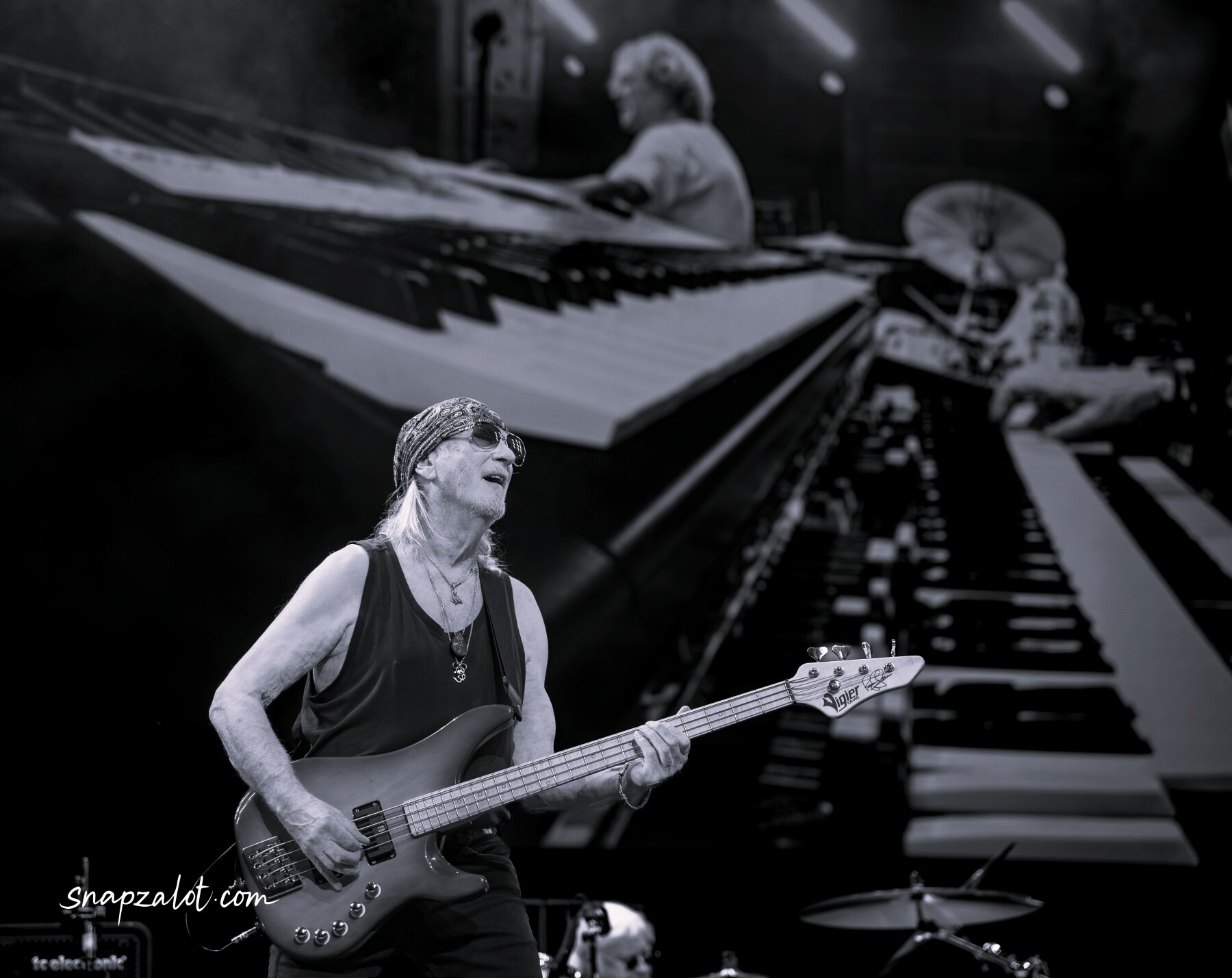
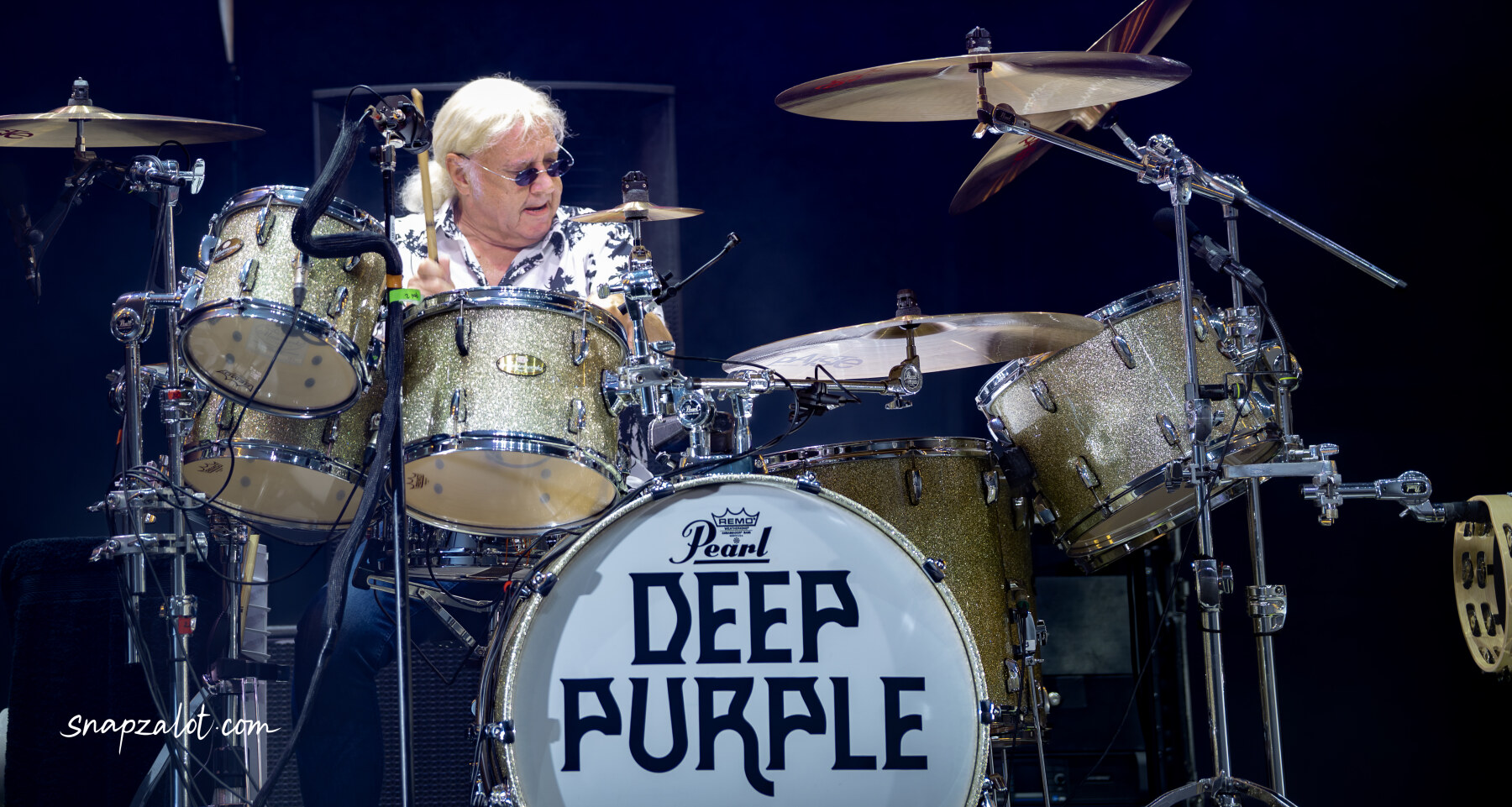
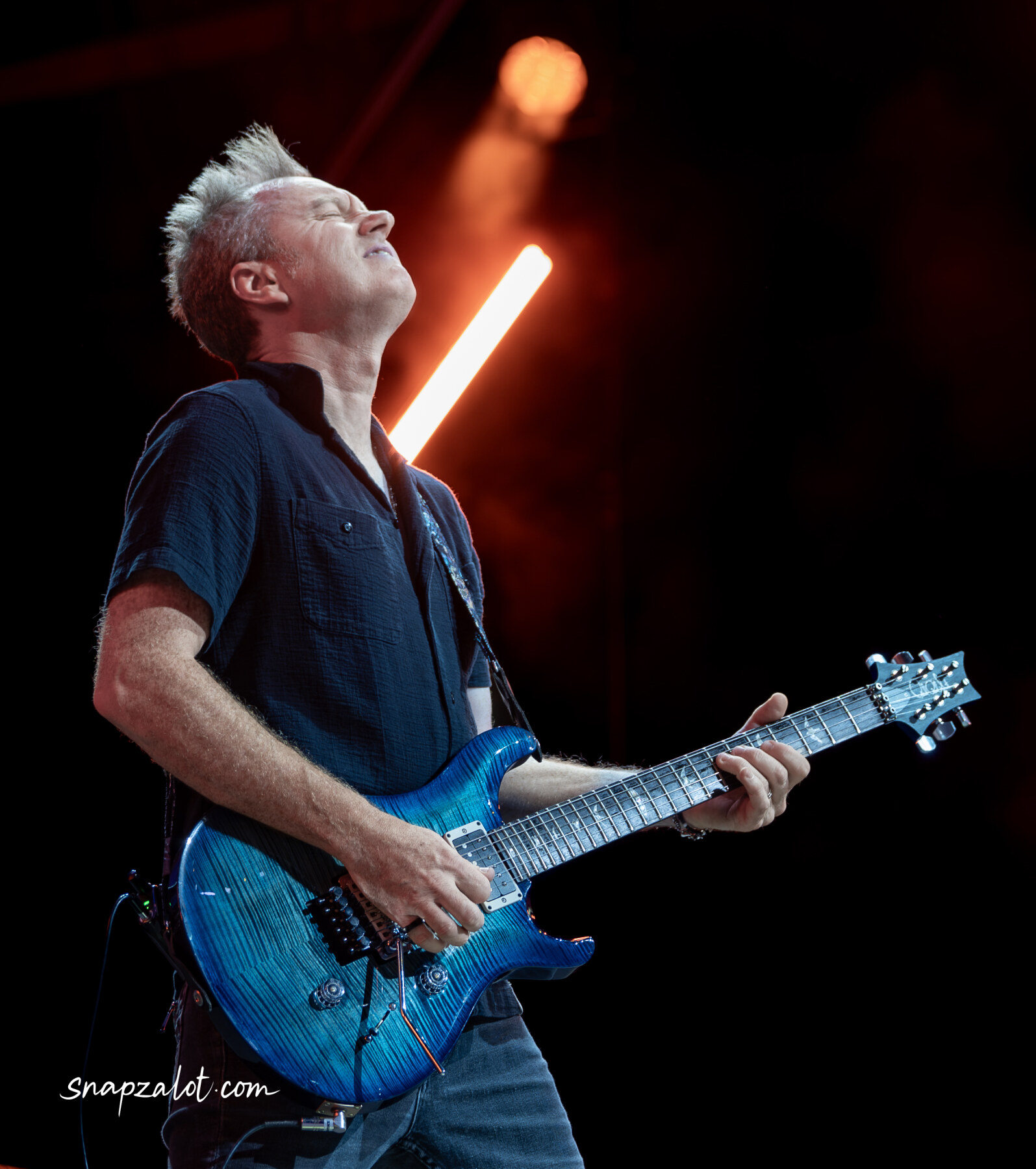
Irish guitarist and newest band member Simon McBride was an absolute beast on the six-string, rolling out an impressive array of licks that stood proudly alongside the legacy of icon Ritchie Blackmore. He attacked the iconic riffs with authority, while bassist Roger Glover remained as solid as a rock, as if to assert, “I’ve been here forever, and I ain’t goin’ nowhere,” as confident and steadfast as a medieval castle. And, of course, drumming titan Ian Paice, who has been in every lineup since 1968, is still going strong and showed the current kids how it’s done. Paice and Glover formed a rock-solid foundation, playing tightly without feeling mechanical and supporting the extended instrumental passages and improvisational moments that have always been part of Deep Purple’s DNA.
A real treat for me was that Purple played several songs from their new album “Splat!,” a kind of post-apocalyptic concept album that offers a stark assessment of our current circumstances on this crazy spaceship called planet Earth.
Ultimately, they launched into “Space Truckin’,” while the opening riffs of “Smoke on the Water” echoed throughout the cavernous venue with a roar that felt as though an entire city had been brought to its feet in admiration.
What made the evening memorable was that neither band seemed interested in simply reenacting its greatest hits in a rote manner. Kansas approached its catalog with the sophistication and discipline that define progressive rock. While they stuck to much of their older catalog, it didn’t feel like a rote recital, but rather a renewal of sorts.
Deep Purple leaned into the blues, improvisation, and raw power that established the group as one of hard rock’s most influential bands. Yes, the setlists were filled with songs written decades ago. Yet the performances never felt trapped in the past or dated, and that’s what keeps folks lining up to see these legendary bands year after year. Great classic rock survives not by being preserved behind glass, but by being performed with conviction and embraced by audiences who still connect with the music. It’s passed from generation to generation, sending smoke signals from that fire on the water in Montreux that keep the embers glowing more than 50 years later.