by George Hudak
A Tampa Bay Music News reader comment stopped me cold. They claimed the frontman of Nasty Savage, known as Nasty Ronnie, routinely smashed television sets over his body and bled onstage. Shock rock was nothing new. Ozzy Osbourne biting the head off a bat and Wendy O. Williams unleashing chainsaws, explosions, and arrests with the Plasmatics were already legend. But deliberate self harm onstage felt like something else entirely. That is when I knew I had to speak with him.
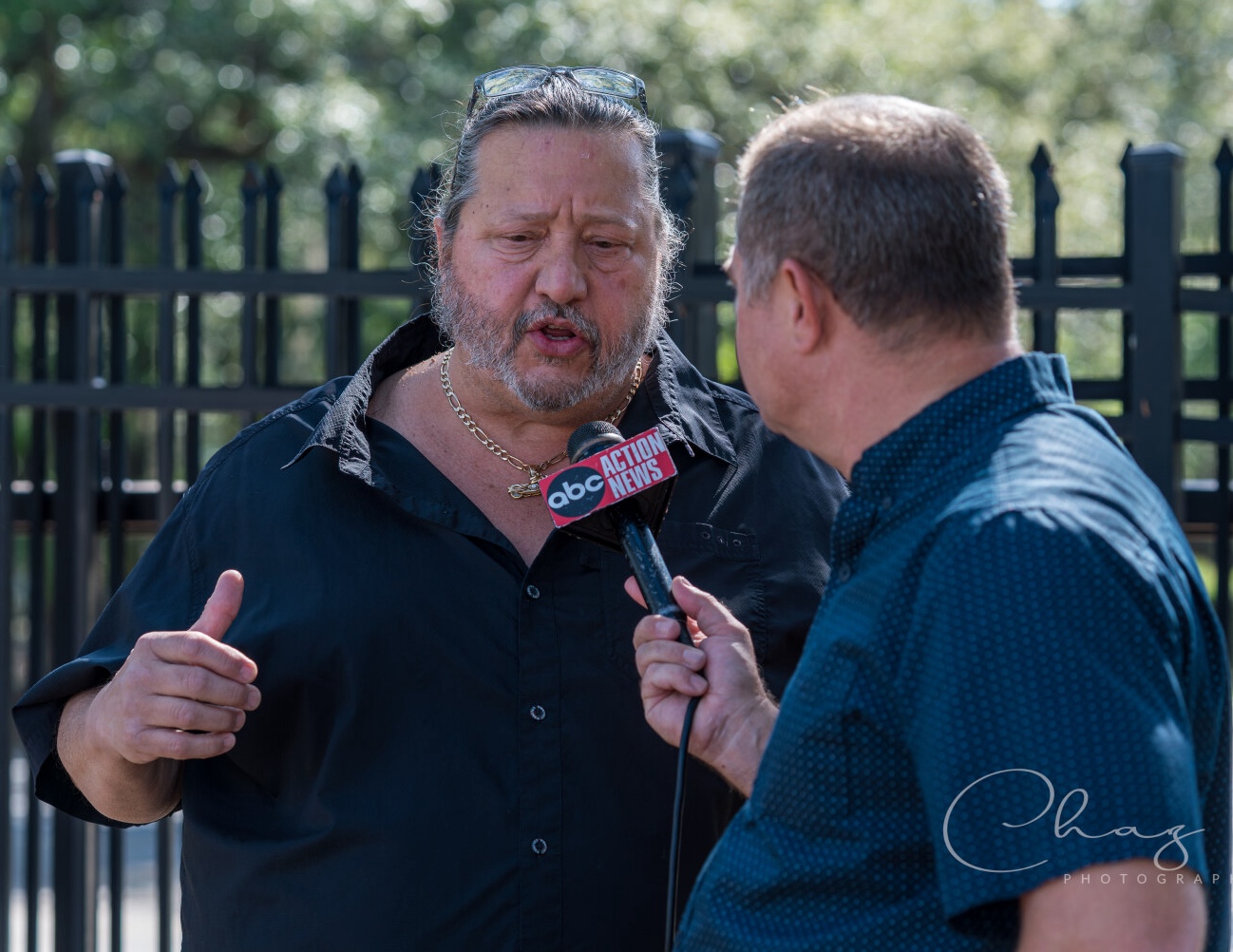
When we connected by phone, I did not find a madman. I found a thoughtful, intelligent, and poised 64 year old man, Ronnie Galletti, better known as Nasty Ronnie. Before Tampa became a global capital of extreme metal, Nasty Savage was already laying the groundwork through raw thrash, fearless DIY marketing, and live performances that pushed both spectacle and physical limits.
Ronnie never set out to be a singer. He practiced alone in his bedroom, recording vocals over cassette decks, until a chance audition landed him in a struggling local band around 1982 or 1983. Within days, he did not just bring vocals. He brought vision. He cleared the rehearsal space, renamed the band Nasty Savage, dubbed himself Nasty Ronnie, and laid out a one year plan to record a four song demo, sell it directly to fans, get signed, tour nationally, and build a global following without the marketing tools of today. One year later, every goal was met.
Formed in Brandon, Florida, the band rose without label backing or industry infrastructure. Ronnie financed the demo Wage of Mayhem and launched a mail order underground campaign that sold thousands of tapes worldwide. There was no email, no cell phones, just stamps, envelopes, and hustle, Ronnie said. That is how we built it.
What set Nasty Savage apart was not just the music, but strategy. Long before branding became industry jargon, Ronnie understood it instinctively. He convinced the Brandon News to run a human interest story about teenagers receiving fan mail from around the world. He helped develop the band’s live performance photos in the newspaper’s darkroom, turning raw black and white images into powerful promotional tools. Those photos, demos, and bios went out to every metal fanzine he could find. The response was immediate. Orders poured in. International recognition followed. Tampa Bay metal was on the map.
Musically, Nasty Savage emerged as first wave American thrash, fast, complex, aggressive, yet rooted in classic metal songwriting rather than the guttural extremity that would later define death metal. Live, however, the band was something else entirely.
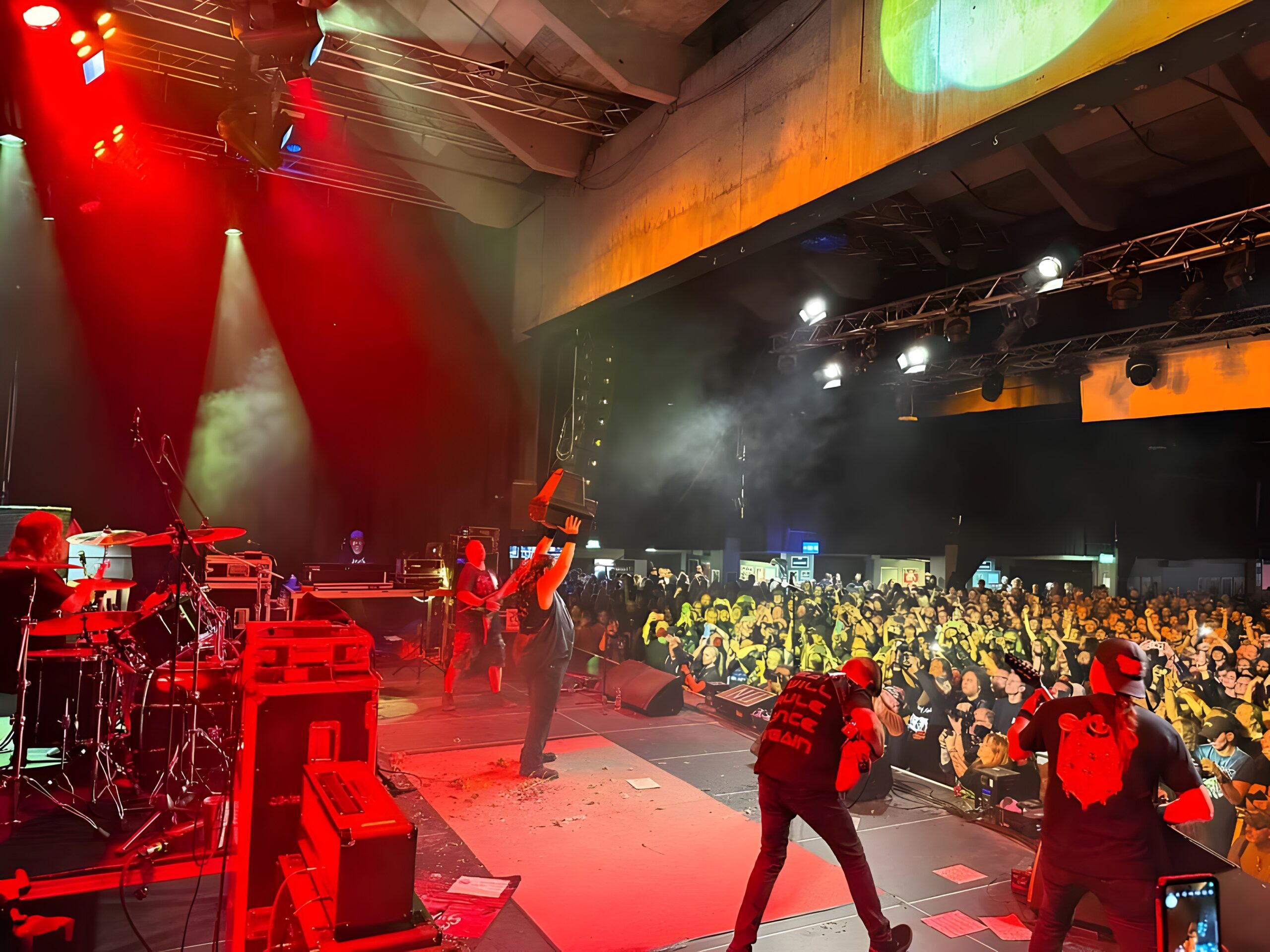
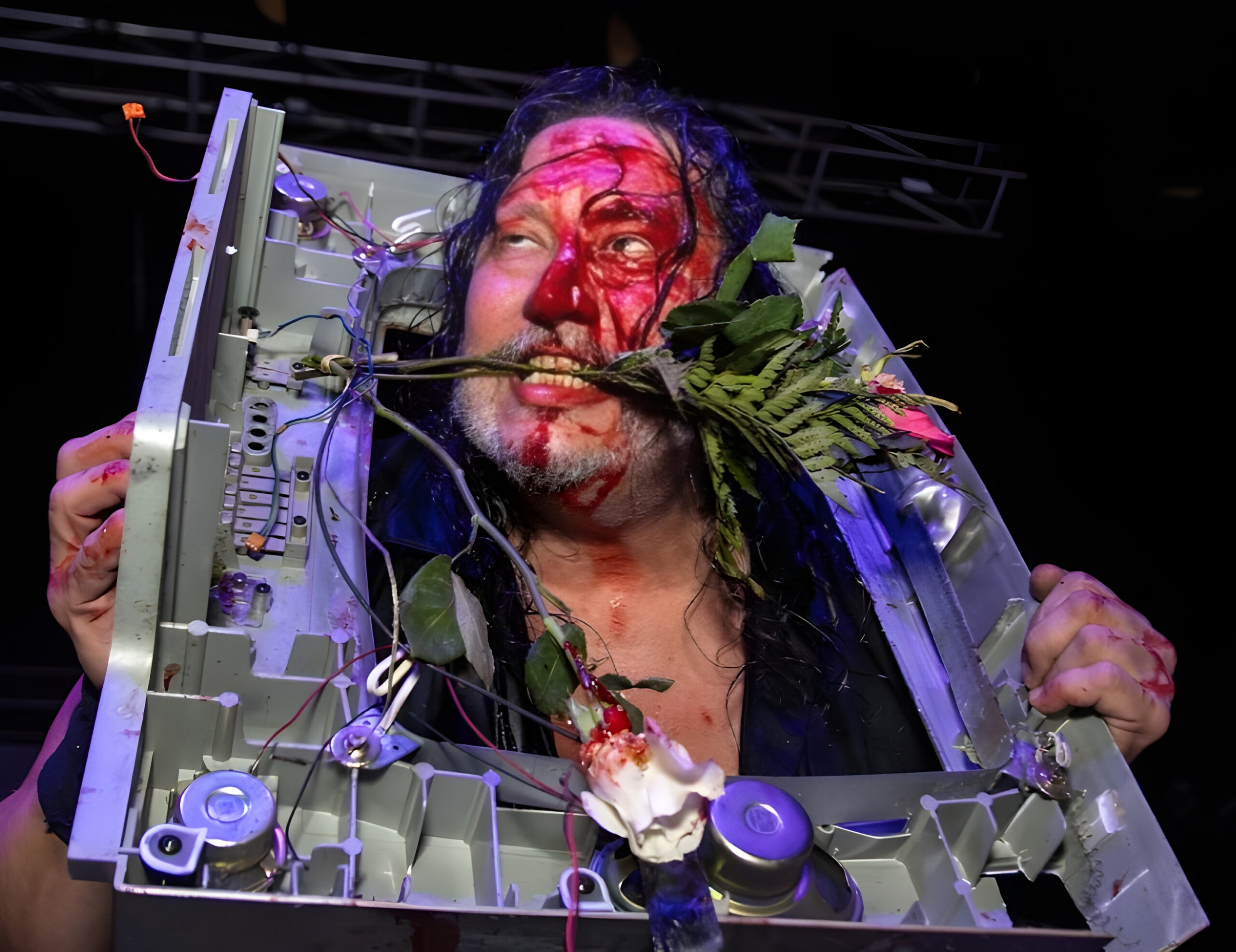
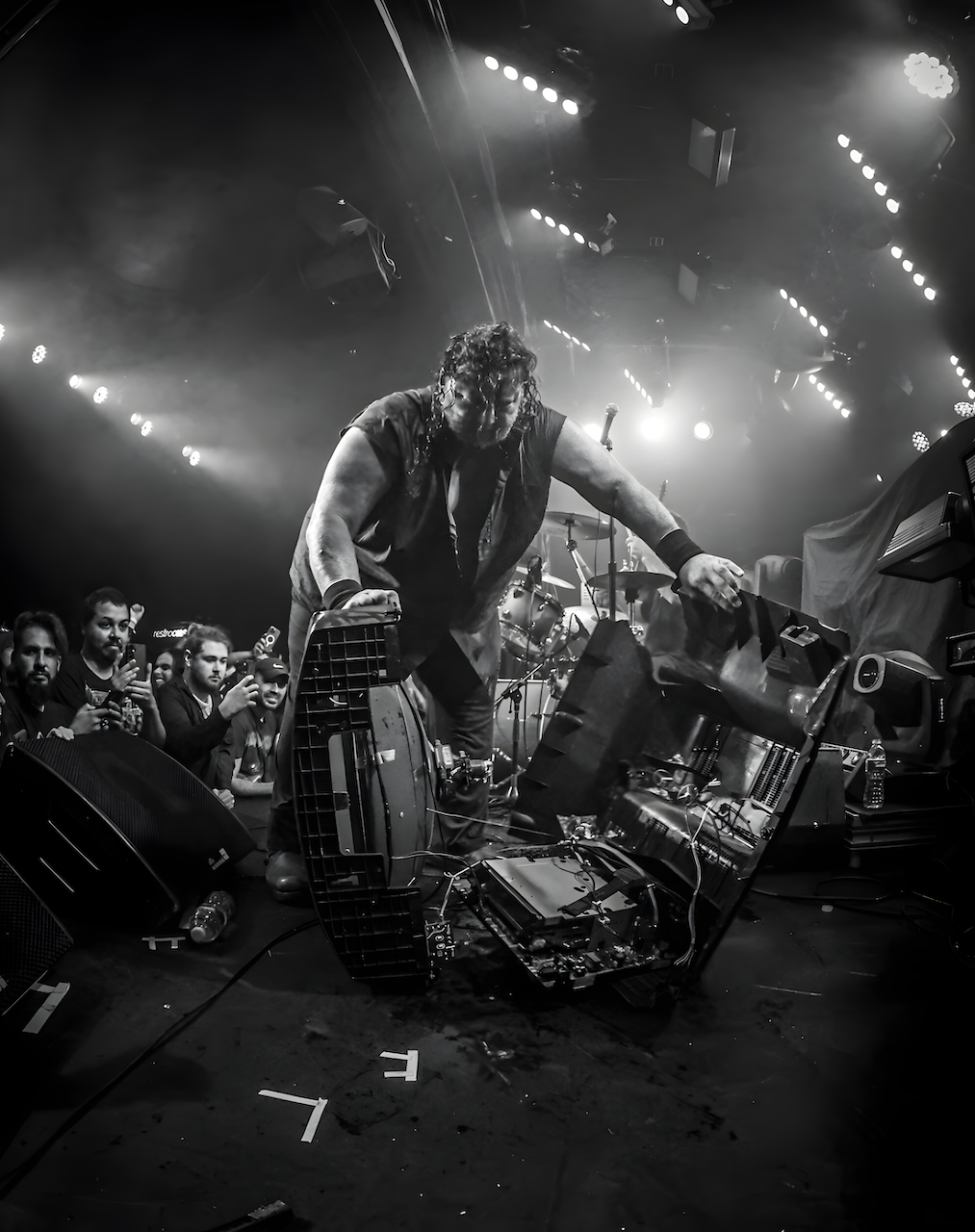
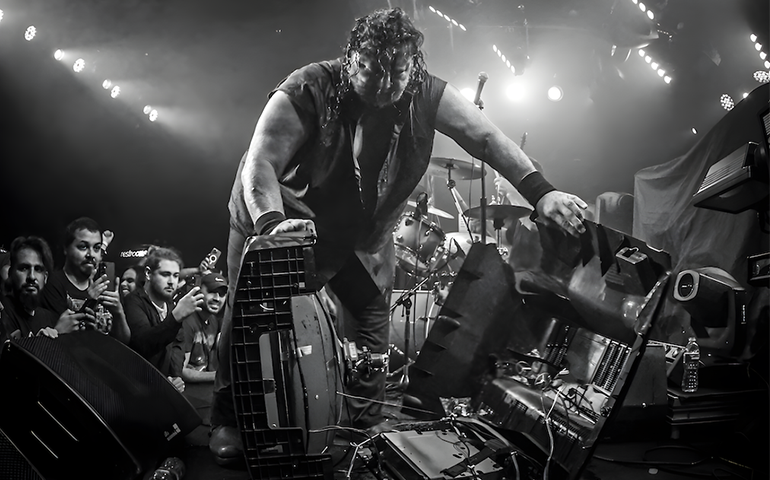
Ronnie’s performances became infamous. Television sets smashed over his body. Chains swung. Blood flowed. Real blood. Skull masks, biker imagery, flowers, and ritualistic symbolism transformed each show into something closer to performance art than a club gig. If you take the stage, you have to own it, Ronnie said. You have to give people something they will never forget.
The chaos was deliberate. Ronnie viewed televisions as symbols of authority and manipulation. Destroying them onstage was rebellion made physical, played out before audiences who knew they were witnessing something unrepeatable. Venues did not always know how to handle it. At a high profile Florida show with Savatage, the band was reportedly cut off early when power was pulled after crowd reaction grew uncontrollable.
Even decades later, the danger has not stopped. While performing in Mexico City two years ago, Ronnie shattered glass onstage and later discovered a thick shard lodged deep in his knee. A local promoter attempted removal backstage, but the pain persisted. Days later, back in the United States, X rays confirmed the glass was still embedded and required medical extraction. I have been lucky, Ronnie said. But it is controlled violence. You do not do this if you are not committed.
Before death metal defined Tampa, younger musicians were watching from the crowd. Among them were teenage brothers John and Donald Tardy, who would later form Obituary. Ronnie recalls the brothers showing up at his door on bicycles asking how to start a band. That conversation helped inspire one of death metal’s most influential acts. That is how scenes grow, Ronnie said. You help the people coming up behind you. Nasty Savage also recorded at all three Morrisound Studios locations, helping establish the sound and credibility that later drew extreme metal acts from around the world and cemented Tampa’s reputation as an international hub.
Refusing to live on nostalgia, Nasty Savage released Jeopardy Room in 2024, recorded at Morrisound, proving the band remains a creative force rather than a legacy act. We are still writing, still recording, still pushing ourselves, Ronnie said. I do not want to just replay the past.
The band continues to perform internationally, drawing multigenerational audiences across Europe, South America, Mexico, and the United States. I am meeting fans now who wrote to me 40 years ago, Ronnie added. Now they are standing there with their kids.
Offstage, Ron Galletti is a businessman, television producer, and longtime publisher of Born To Ride. He lives in Valrico with his wife Debbie and has been married for 30 years. He is the father of two adult children, Ron and Emily. His son Ron works in the Harley Davidson world. His daughter Emily is in finance. You cannot do this just for the party, Ronnie said. You have to treat it like a business and a responsibility.
Now 64, Ronnie is the last original member of Nasty Savage. He carries the drive of the teenager who started the band while honoring fallen bandmates, including drummer Curtis Beeson, who passed away after battling brain tumors. I am still chasing that ultimate connection with the audience, Ronnie said. That never goes away. More than four decades on, Nasty Savage proves Tampa metal did not happen by accident. It was built deliberately, fearlessly, and unapologetically, one demo tape, one smashed television, and one unforgettable show at a time.
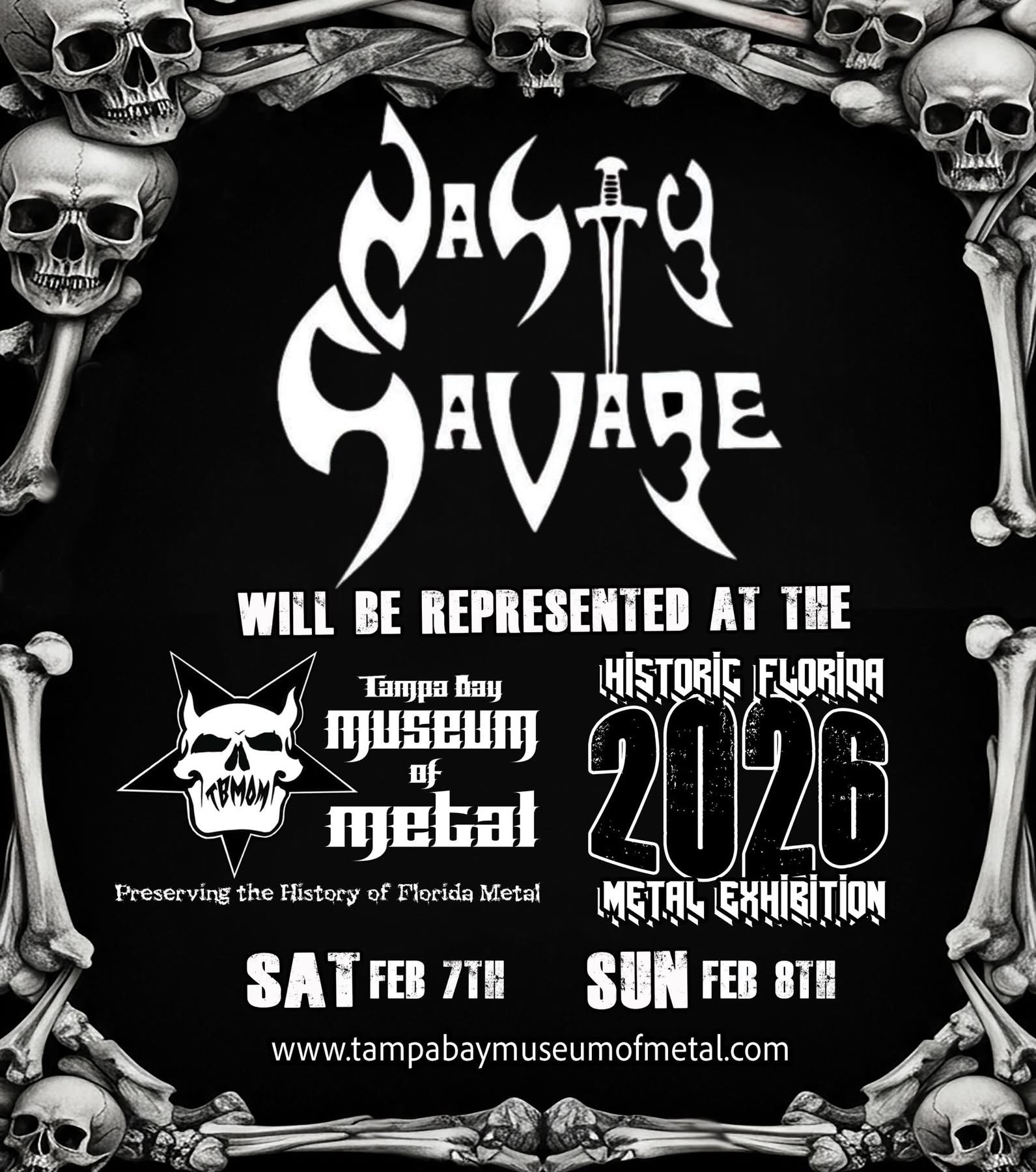
As a final note, Nasty Savage is now being formally honored by the Tampa Bay metal community with recognition in the local Metal Hall of Fame and related exhibits. The band will be represented in the Tampa Bay Museum of Metal exhibition at Magnanimous Brewing in Seminole Heights, Tampa, on Saturday and Sunday, February 7 and 8, celebrating the legacy of the bands that built the scene.